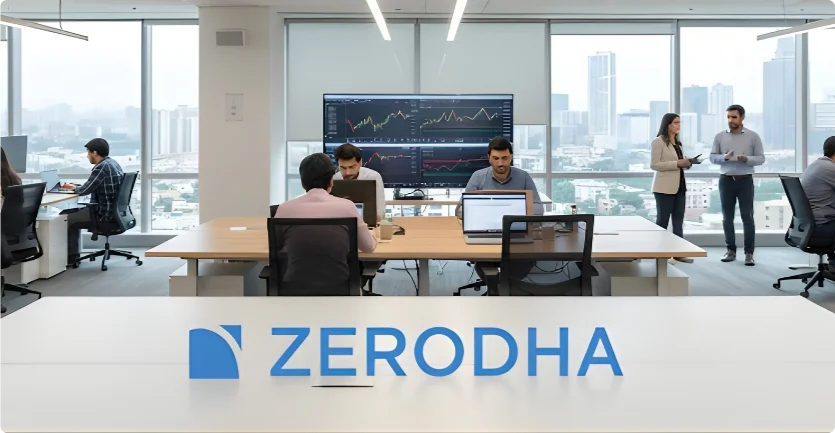
Zerodha has rewritten the rules of the Indian fintech landscape. While competitors raised billions and hired thousands, Zerodha took a different path. They focused on a lean team and a radical organizational design.
Today, the company handles millions of trades with a fraction of the headcount of its peers. This success isn’t an accident. It is the result of a deliberate choice to avoid hierarchy.
The Philosophy of Lean Growth
Most companies believe that more people equals more output. Zerodha proves the opposite. Between 2020 and 2023, the company grew its user base exponentially. Yet, they only added about 150 employees to their core team.
This restraint is central to their culture. They don’t hire to fill seats. They hire to solve specific, high-value problems. This keeps the talent density high. Every person in the room is a top-tier performer.
Why Flat Structures Work
In a typical corporate setup, layers of management slow things down. Decisions get stuck in meetings. Ideas die in emails. Zerodha eliminates these bottlenecks by removing middle management entirely.
- No Product Managers: Developers talk directly to the founders.
- Direct Ownership: The person writing the code owns the outcome.
- Zero Red Tape: There are no complex approval loops.
- Natural Authority: Leadership emerges from expertise, not seniority.
When you remove the “boss” layer, people take more pride in their work. This shift in Leadership in workplaces allows the company to remain agile. They can ship updates faster because there is no one standing in the way.
Autonomy as a Retention Tool
High-quality talent hates being micromanaged. They want the freedom to experiment. At Zerodha, autonomy is the primary perk. This approach has transformed their employer branding.
They don’t need to spend millions on recruitment ads. The work environment speaks for itself. Employees are given hard problems and the space to fix them. This creates a deep sense of professional fulfillment.
- High Tenure: The average stay at Zerodha is over six years.
- Low Attrition: Their turnover rate is nearly zero.
- Mental Space: Staff are encouraged to pursue hobbies outside of work.
Scaling Without the Chaos
As companies grow, they usually become more bureaucratic. Zerodha fights this “organizational rot” by staying small. They automate everything that can be automated.
They use technology to bridge the gap that people usually fill. This keeps the experience of working there focused on innovation rather than administration. It prevents the “busy work” that kills motivation in large firms.
Measuring Success Beyond the Bottom Line
How do you know if a flat structure is working? Many HR leaders rely on Workplace surveys to gauge sentiment. These surveys often reveal that autonomy is the number one driver of happiness.
Related Posts
While Zerodha doesn’t chase every industry certification, they focus on internal metrics. They look at how quickly a feature moves from an idea to a reality. They look at how many employees feel they have a say in the company’s direction.
The Role of Asynchronous Work
Agility requires a specific communication style. Constant pings and “quick calls” destroy focus. Zerodha uses internal forums to discuss ideas.
- Thinking Time: People can respond when they are ready.
- Record Keeping: Decisions are documented for everyone to see.
- No Pressure: It removes the need for “instant” reactions.
This respect for time is a core part of their culture. It allows the team to stay in “deep work” mode. This is where the most valuable breakthroughs happen.
Lessons for Modern HR Leaders
You don’t have to be a tech giant to learn from Zerodha. Any organization can start by cutting unnecessary meetings. You can start by giving your team more say in their daily tasks.
- Trust First: Assume your people are capable.
- Simplify: Remove one layer of approval this month.
- Listen: Use feedback loops to find where the friction is.
Zerodha Thrives with Flat Structures because they value human intelligence over corporate process. They have proven that a small, motivated group can outperform a giant, sluggish one every time.
Conclusion
The Zerodha model isn’t just about saving money on salaries. It is about building a resilient, fast-moving machine. By prioritizing autonomy and lean teams, they have created a sustainable way to work.
In a world obsessed with “more,” Zerodha wins by choosing “better.” They remind us that the best workplaces aren’t built on rules. They are built on trust.
Disclaimer: This article is for informational purposes only. While efforts are made to ensure accuracy, readers should verify information and seek professional advice as needed.