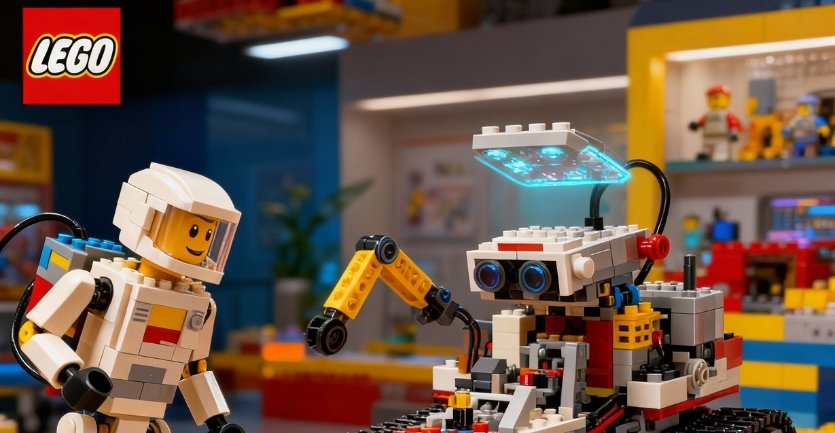


The LEGO Group is synonymous with creativity. It offers powerful lessons for modern HR leaders. The company’s success is built on an organizational culture integrating play and purpose. This fuels both employee innovation and deep customer engagement.
For HR leaders, LEGO’s strategies provide a robust case study. They can strengthen employer branding and elevate the employee experience. A commitment to core values, like creativity, drives business success.
Cultivating an Employee Innovation Mindset
LEGO’s success centers on a unique workplace. Play is viewed as a path to breakthrough ideas. This “hands-on, minds-on” philosophy is deeply woven into the employee experience.
1. The Playful Workplace Culture
LEGO actively encourages a free-thinking environment. Employees are given space to experiment. This removes the fear of failure that often stifles creativity.
- Offices have bricks and building materials readily available. This encourages spontaneous experimentation.
- LEGO® Serious Play® techniques are used in strategy sessions. Employees model complex concepts with bricks.
- This fosters clearer communication and new solutions.
- The focus is on output, not just process. This builds a psychologically safe space.
- Diverse perspectives are valued. This is crucial for innovation.
2. Leadership that Empowers
Leadership in workplaces at LEGO is non-hierarchical. Every individual is encouraged to act as a leader. The “Leadership Playground” distributes responsibility and ensures all voices contribute.
- The model emphasizes listening to every team member. This bottom-up approach energizes the workforce.
- LEGO links employee development directly to employee engagement. High participation in learning platforms shows a hunger for growth.
- Leaders reinforce the core mission: “Inspire and develop the builders of tomorrow.” This clear purpose provides a common direction for all innovative efforts.
The Customer Co-Creation Engine
LEGO’s commitment to innovation extends outside its teams. They created a dynamic, open innovation loop. It directly involves their most passionate customers.
Related Posts
1. LEGO Ideas: A Crowdsourcing Model
The LEGO Ideas platform is a landmark co-creation example. It is a powerful tool for customer engagement. It also helps de-risk new product development.
- Global fans submit their own ideas for new sets. The community then votes on these.
- Ideas reaching 10,000 votes move to an internal expert review.
- Successful creators receive a percentage of the product’s sales. This turns customers into direct business partners.
- This model ensures a constant stream of market-validated product concepts.
2. The Feedback Loop as Employer Branding
Deeply involving customers enhances LEGO’s employer branding. It demonstrates an authentic commitment to creativity and community.
- Employees see their work directly connected to a passionate global community. This reinforces their sense of purpose.
- The co-creation process turns the brand into a global design hub.
- This attracts talent who want to work for a company that genuinely listens and collaborates.
Measuring Success: Beyond the Bricks
LEGO uses rigorous feedback to ensure effectiveness. Regular checks on the internal experience and culture are essential for continuous improvement.
- The company utilizes employee workplace surveys to track sentiment.
- Metrics focus on learning, development, and overall satisfaction. These are core KPIs for HR and leadership.
- Tracking active engagement with learning resources provides a quantifiable link. This connects development efforts to a qualified, engaged workforce.
LEGO’s success is a clear result of intentional HR design. It embeds its product’s core value-play-into its internal culture.
This creates a resilient system where creativity flourishes. It proves that a thriving, amazing workplace is built on trust, autonomy, and a shared purpose.
Disclaimer: This article is for informational purposes only. While efforts are made to ensure accuracy, readers should verify information and seek professional advice as needed.