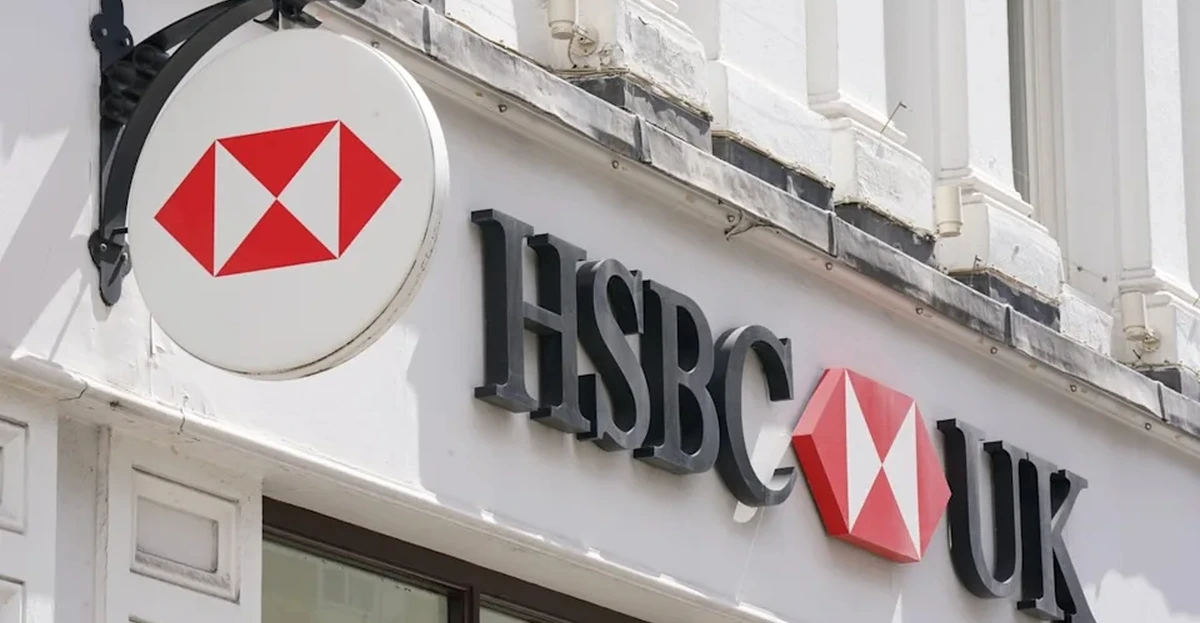
HSBC job cuts in its UK wealth business are the clearest sign yet that AI has moved out of the bank’s innovation lab and into its org chart. The Financial Times reported, as summarised by FinTech Futures, that the plan could hit about 70% of financial advisers and roughly half of managers and specialists in the division. HSBC hasn’t confirmed those percentages. Its own statement points the same way, though: more digitally enabled products and journeys.
This cut hits the people who sit across the table from wealthy clients, unlike back-office trims. If you work in HR, banking, or anywhere near either, it’s worth reading closely.
What are the HSBC job cuts in UK wealth?
HSBC is reportedly preparing deep job cuts in its UK wealth management division as it shifts affluent clients toward AI-supported service. The Financial Times says about 70% of financial advisers and around half of managers and specialists are in scope. HSBC hasn’t confirmed the numbers, and it’s reportedly discussing the plan with staff through a consultation.
There’s a lot we still don’t know. HSBC doesn’t publish a headcount for the unit, though it’s thought to employ hundreds of relationship managers. The business holds around £134 billion in invested assets and wealth deposits across its premier and private banking arms. And José Carvalho, who led UK retail banking and wealth for four years, recently left the bank, so the division is changing at the top as well.
Why is HSBC cutting wealth roles right after hiring them?
That’s the odd part. Two years ago HSBC set out to double its UK wealth assets to £100 billion by 2030 and break into Britain’s top five wealth managers. It hired hundreds of wealth managers. It planned a Mayfair centre for face-to-face meetings with high-net-worth clients.
Now the same unit is being cut.
What changed is the person at the top and the tools in the building. Georges Elhedery became group chief executive in September 2024 with a mandate to take out costs, and he has made AI central to the productivity push. At an investor event in May he said “generative AI will destroy certain jobs” while creating others. Since then the bank has signed a multi-year deal with Google Cloud, promoted David Rice to chief AI officer, and given relationship managers AI tools that supply market intelligence and personalised investment strategies. Bloomberg reported in March that as many as 20,000 HSBC jobs worldwide could be at risk, roughly 10% of the workforce.
Do the arithmetic from the bank’s side. If a relationship manager with an AI assistant can prepare for client meetings in a fraction of the time, one manager can cover more clients. The same assets can then be served by fewer people. Whether clients accept that trade is the real test.
HSBC has been here before, with a different trigger. In 2013 it proposed changes affecting 3,166 UK roles, mostly in wealth, and expected to redeploy 2,017 of them, Reuters reported at the time. That restructuring followed a rule change, the Retail Distribution Review. A rule change happens once. Software keeps improving.
Which other banks are cutting jobs because of AI?
HSBC isn’t alone, and the pattern is easier to see side by side.
| Bank | Reported plan | Timeline |
| HSBC (UK wealth) | About 70% of financial advisers and half of managers and specialists, per the FT; unconfirmed | Consultation under way |
| HSBC (group) | Up to 20,000 roles at risk, about 10% of workforce, per Bloomberg | Not stated |
| Standard Chartered | About 7,800 back-office roles, more than 15% | By 2030 |
| Mizuho | Up to 5,000 roles | Over the next decade |
| DBS | About 4,000 temporary and contract roles | Warned earlier |
Standard Chartered went first with the clearest numbers. In May it said it would cut about 15% of corporate function roles by 2030, including compliance and HR, with hubs in Bengaluru, Chennai, Kuala Lumpur and Warsaw expected to feel it most. Chief executive Bill Winters described the shift as replacing in some cases “lower-value human capital” with investment. Some affected employees would be offered retraining and redeployment.
Here’s the difference worth noticing. Standard Chartered started with work customers never see. HSBC’s reported plan goes after advisers and managers, the work customers pay for. Morgan Stanley research from last year estimated that AI could put more than 200,000 European banking jobs at risk by 2030, about 10% of the sector. The first wave was administrative. The second is client-facing.
Related Posts
Will AI replace financial advisers?
Partly, and unevenly. Market research, client preparation, portfolio suggestions and routine service updates are all things AI does well today. Advice on an inheritance, a divorce, the sale of a family business, or a client panicking in a falling market is different. Those conversations carry regulatory responsibility and a kind of trust that software hasn’t earned yet.
So the likelier outcome isn’t an empty office. It’s a smaller team handling more clients with a heavier tool kit, plus a digital service for clients with simpler needs. Whether that holds up on service quality and client retention is what analysts are asking about the HSBC plan, and nobody can answer it yet.
What do the HSBC job cuts mean for HR leaders?
We run employee surveys for a living (more than 60,000 employees so far, across India and global markets), so here’s the lens we’d apply. It’s our view, not a finding from the HSBC situation.
Even if your team sits in Gurugram or Bengaluru rather than London, the pattern matters. AI-linked restructuring has already named Indian hubs, and wealth, risk and compliance teams everywhere are watching what happens to the people involved.
Four things we’d do now:
- Separate the roles that change from the roles that go: People can live with change. A vague threat reads worse than a clear answer, even a hard one.
- Give reskilling a destination: Training with no role at the end of it is a goodbye letter delivered slowly. Say which jobs the new skills lead to.
- Talk before the leak: HSBC’s numbers surfaced through press reports, and the bank’s own statement said very little. Employees filled the gap on their own. Brief managers first, because they’ll get the questions first.
- Measure how people feel, then measure again: A confidential employee survey before and after a restructuring shows you where trust is cracking while there’s still time to act. That’s what our employee survey and certification programme is built to do.
We also covered the people side of AI in our conversation with Subramanyam Sreenivasaiah on AI talent and human-centric work.
What can employees in affected roles do?
None of this is comfortable, and no trick removes the risk. A few moves do improve your position:
- Learn the tools your firm is rolling out: The person who can use AI well and explain its output to a client is harder to replace than the person who ignores it.
- Keep a record of outcomes: Client retention, assets grown, complaints resolved. Results you can show travel with you.
- Ask how the consultation works: Your HR team or union representative can explain timelines and your options. Ask early.
- Build skills that move: Regulated advice qualifications, tax and estate planning, and coaching clients through volatile markets apply well beyond one employer.
Frequently asked questions
How many jobs is HSBC cutting in UK wealth?
HSBC hasn’t published a number. The Financial Times reported that about 70% of financial advisers and around half of managers and specialists could be affected. The bank hasn’t confirmed those figures or disclosed how many people work in the unit.
Is HSBC cutting jobs because of AI?
Reports link the two directly, and the chief executive has said AI will remove some roles and create others. HSBC’s own statement talks about more digitally enabled products and journeys rather than job numbers.
Which banks have announced AI-linked job cuts?
Standard Chartered plans about 7,800 back-office cuts by 2030. Mizuho has outlined up to 5,000 over a decade, and DBS has warned about 4,000 temporary and contract roles. Bloomberg has reported up to 20,000 roles at risk across HSBC globally.