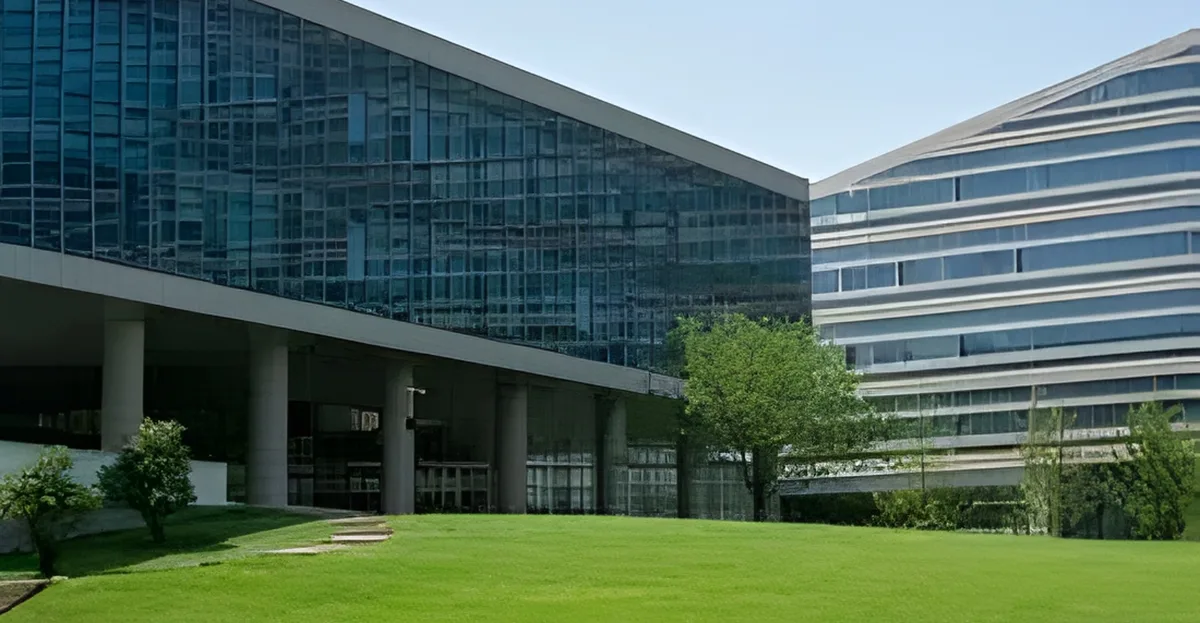
As the days get longer and the sun starts to shine, the benefits of green spaces in your workplace become more apparent than ever. However, it doesn’t necessarily have to come with endless maintenance. In fact, if you make some of the right design choices and equip yourself with the right tools, you can create an outdoor space that needs a lot less active care than you might think. Here, we’re going to look at how some thoughtful planning can save you literal hours each week.
Choose Your Plants Wisely
A lot of the challenge of caring for green spaces comes from not really considering how much work it might require to grow the plants that you choose in the first place. If you want to reduce garden maintenance, you should choose plants that naturally thrive in your local climate. Native and drought-tolerant plants are adapted to the environment, meaning they require less watering, fertilizing, and overall care. Hardy shrubs and perennials can withstand the local climate much better than plants that have to be imported, and they also tend to be more resilient to local pests and diseases, meaning you don’t have to spend as much time and money on chemical treatments, as well. Every plant has sunlight and water needs that need to be fulfilled, but choosing low-maintenance, climate-appropriate plants can greatly lighten the load.
Suppress Weeds With Mulch
Weeding is one of the most annoying chores that comes with any green space, and they choke up your lawn and flower beds in no time if you don’t stay on top of it. However, mulching can save you a ton of time and effort. It acts as a natural barrier against weeds, preventing them from taking root and making them easier to spot and remove if they do manage to break through. Beyond that, a layer of organic mulch like bark, wood chips, or compost is great for retaining soil moisture, meaning you might not have to water your plants quite as much.
Be Smart With Your Irrigation
Watering can quickly become one of the most time-consuming garden tasks, but an efficient irrigation system can change that completely. Drip irrigation or soaker hoses deliver water directly to plant roots, minimizing waste and ensuring consistent hydration. With the help of automated systems, you can make watering even more convenient still, as many of them will react to sensors that can detect the heat and dryness of the climate, as well as whether it has recently rained, and can water appropriately. Others can be programmed to operate based on a schedule, so you can make sure that your green space’s needs are always being taken care of, even when you can’t make it out with the hose.
Automate For Effortless Maintenance
Sprinkler systems have allowed for automatic watering for decades now, but gardeners and property managers are starting to recognize the benefits of automation across the board, as well. One of the clearest examples is the rise of the robot lawn mower. Lawn care is one of the most labor-intensive aspects of gardening, but using the right tool can prevent you from having to spend hours out there every month or from having to hire a commercial gardener to do it for you. By operating automatically, they not only trim your grass to a consistent level regularly, but they can even help you maintain a healthier lawn by reducing clippings. Many of them can be controlled remotely but require minimal supervision, allowing you to focus on other tasks that might require a little more manual intervention.
Consider Ground Cover Instead Of Grass
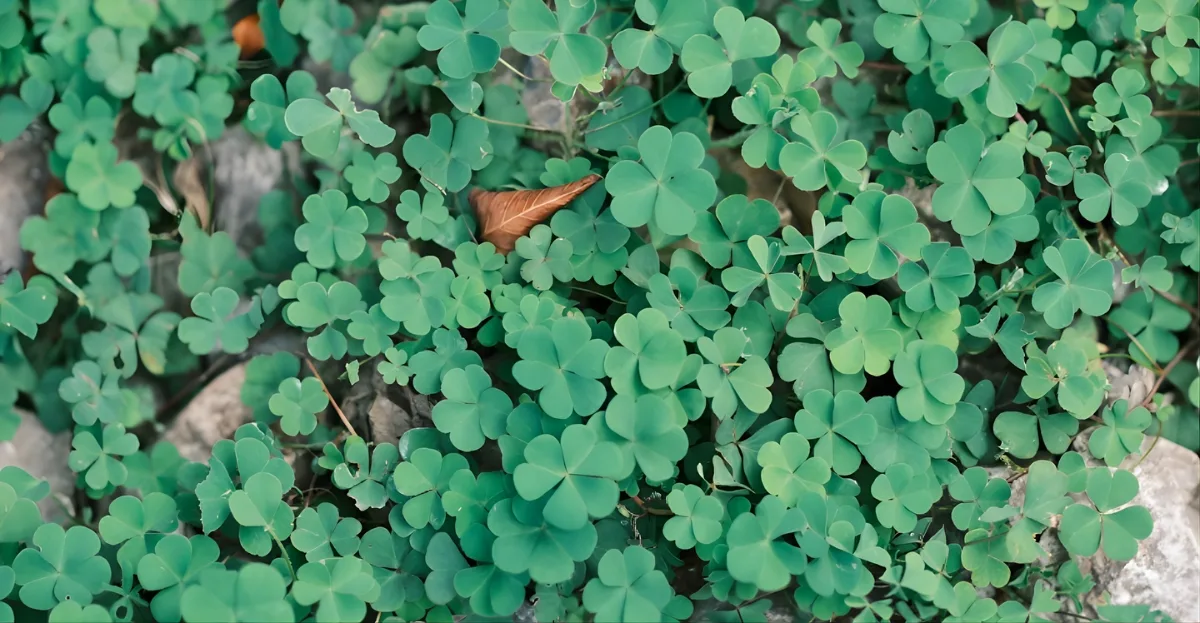
While using robot lawn mowers can definitely make lawns a lot less of a hassle to maintain, things are also a lot easier if you have less lawn to worry about in the first place. Replacing sections with ground cover plants can reduce the amount of mowing, watering, and soil management that you have to do. Options like creeping thyme, clover, or sedum spread naturally and need less maintenance, not to mention less water. Ground covers add visual interest as well, offering textures and colors that standard lawns can’t provide.
Go For Simple, Structured Landscaping
The more complex your green spaces are, the more work that they’re going to need. As such, simplifying them with clean lines, defined borders, and different zones for different needs can make it a lot easier to maintain than more layered or intricate designs. Hardscaping elements such as gravel, stone, and decking can reduce how much plant care you have to invest in across the board, while adding structure, style, and usable spaces that your workers can actually relax in. For your garden, raised beds and more defined zones can make it easier to manage the needs of different plants and areas. A structured approach not only reduces effort but also creates a cohesive, visually appealing space that feels calm and intentional.
Know When To Outsource
Some of the tips above can help you avoid hiring when it isn’t strictly necessary, but when you do need a professional, trying to forgo them can cause a lot more trouble than it’s worth. This is the case, for instance, if you need the expertise of a specialist, such as a tree care professional who might be able to help your trees avoid becoming sick or a safety hazard on your property. However, you should also consider working with professionals if your green space is simply becoming too large to manage on your own. You need to consider the real benefits in terms of morale, branding, offering break spaces, and more that green spaces can offer, and whether or not it’s worth investing to keep those benefits.
With the smart and intentional choices above, you can significantly reduce the time and effort you have to spend to maintain a gorgeous green space. This can free you up to actually enjoy the space, instead of only associating it with the work that it takes to keep it in condition.