
Building a Safer Workplace: Security Measures Every Organization Should Consider
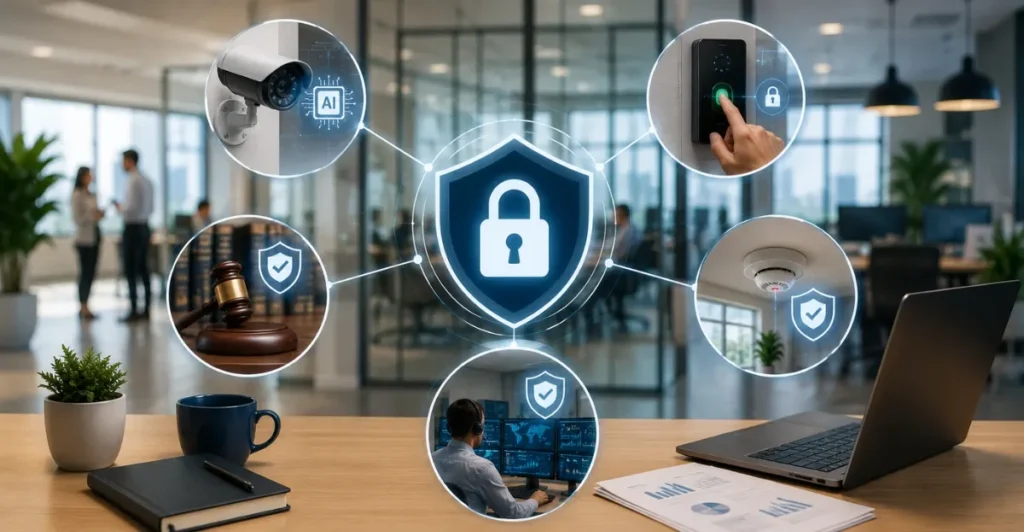
Workplace security today extends beyond locks and alarms. From AI-powered surveillance and biometric access to cyber threat monitoring and smart safety systems, organizations can protect employees, data, and operations while fostering a safer, more resilient, and trusted work environment.
What Drives Productivity in Australian Warehouse Workplaces

Warehouse productivity in Australian facilities depends on how layout, equipment, workflow, and workforce align under real constraints. Efficient movement, smart storage, and adaptable systems reduce delays, improve accuracy, and increase output while keeping operations flexible and cost-effective.
Essential Gear for Workplace Security Teams

Workplace security equipment is critical for protecting people and assets. From communication tools and tactical lighting to surveillance and medical supplies, the right gear enhances response, improves coordination, and ensures safety across corporate offices, industrial facilities, and event environments.
Why Safety Tech Matters for Trust in the Workplace

Workplace safety technology plays a critical role in building trust, improving employee confidence, and ensuring compliance. From monitoring systems to smart sensors, safety tech helps organisations create secure environments, reduce risk, strengthen accountability, and support employee wellbeing while improving workplace culture and long-term business stability.
How Equipment Design Can Help Build a Safer Workplace

Equipment design for workplace safety plays a critical role in reducing accidents, preventing infections, and improving ergonomics. From the hierarchy of controls to automation and protective features, thoughtful equipment design helps organisations create safer, more efficient, and resilient workplaces.
Workplace Safety Best Practices: A Global Guide to Designing Effective Safety Policies

Workplace Safety Best Practices help organizations design policies that protect employees, meet global legal standards, and reduce operational risk. This article guides HR leaders and entrepreneurs on building practical, compliant, and people-centric workplace safety systems relevant to today’s evolving work environments.
Creating Safer Workplaces Through Smarter Risk Control

Workplace safety today extends beyond accident prevention to managing long-term health risks like poor air quality, ergonomic strain, and psychological stress. Structured prevention, training, and monitoring help organizations protect employee wellbeing, meet duty-of-care obligations, and reduce legal and operational risks.
How HR-Led Safety Practices Improve Employee Safety and Reduce Workplace Risk
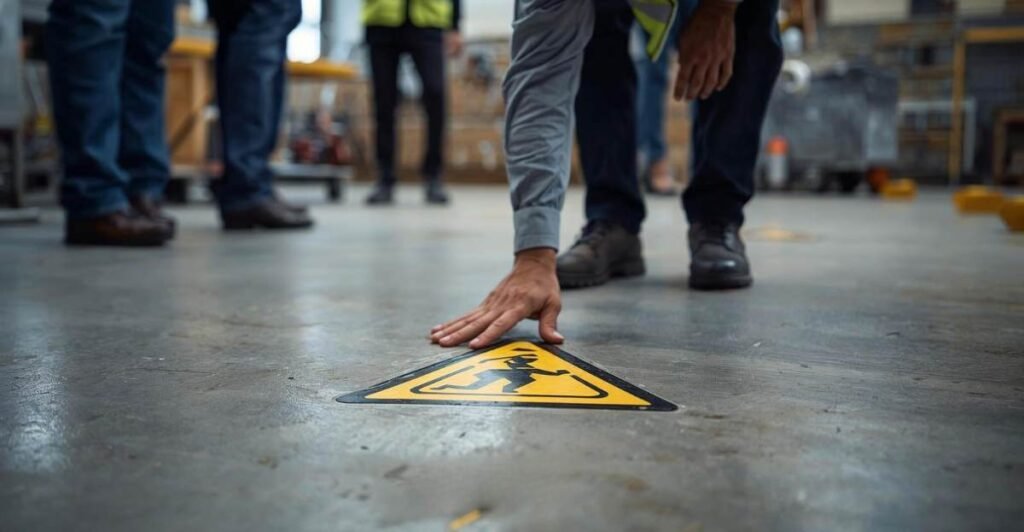
HR-led employee safety practices play a vital role in reducing workplace injuries and risk. By shaping safety-focused policies, training, and culture, HR teams help create safer work environments that improve employee well-being, productivity, and long-term organisational performance.
The Hidden Cost of Unsafe Work Environments: What HR Leaders Need to Address Early

Unsafe workplaces impact far more than compliance. They weaken trust, damage employer reputation, reduce engagement, and increase turnover. HR leaders must view safety as a people strategy priority, addressing risks early to protect well-being, culture, and long-term organizational strength.
Safety, Health & Sustainability: The Non-Negotiables for employees?

Workplace safety, health and sustainability are no longer optional. They define how organisations protect employees, build resilience, and drive long-term success. This article explores why these three principles have become non-negotiables for creating responsible, future-ready workplaces.
Your Rights After a Work-Related Accident

A work-related injury can leave you dealing with pain, stress, and financial uncertainty. Understanding your work-related accident rights helps you access medical care, wage replacement, and legal support. Learn what steps to take immediately so you can protect yourself and secure fair compensation.
Who to Contact About Workplace Discrimination or Harassment

Workplace discrimination and harassment can deeply impact employee well-being and morale. Learn how to identify, report, and seek help through HR, legal channels, and external organizations to ensure your rights are protected and your workplace remains safe and inclusive.
How Workplace Safety Practices Shape the Way a Company is Viewed

Workplace safety best practices go beyond compliance. Discover how clear policies, leadership examples, preventive measures, and ongoing safety programs create secure environments that build trust, protect employees and visitors, and boost a company’s reputation in today’s transparent business landscape.
Workers’ Compensation Guide for Injured Employees
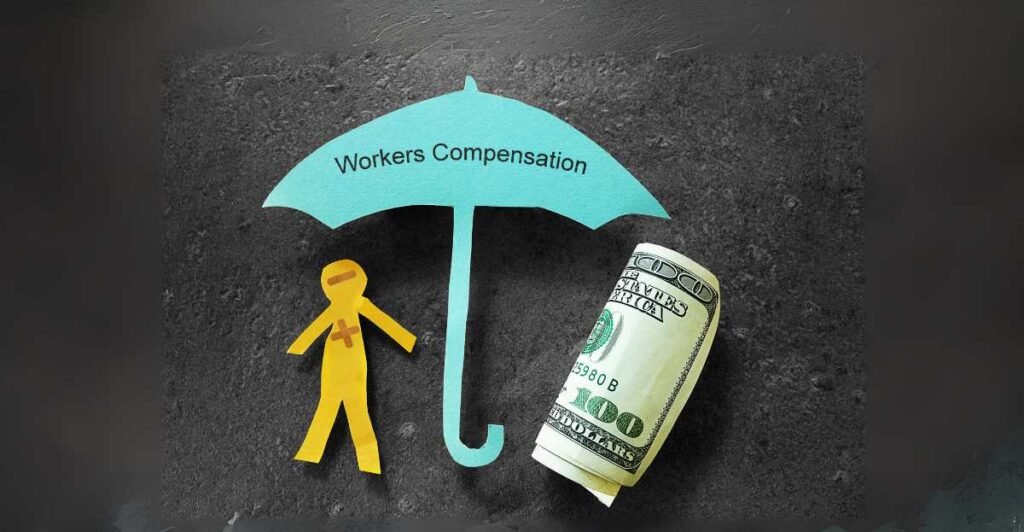
Discover how workers’ compensation protects injured employees. Learn the basics, steps to file claims, benefits available, and how to manage medical costs and lost wages. This guide simplifies workers’ compensation for employees seeking financial support and recovery after workplace injuries.
Cybersecurity Awareness for Employees: HR’s Role in Creating a Secure Digital Workplace

Cybersecurity is everyone’s responsibility, not just IT’s. HR plays a crucial role in fostering a culture of cybersecurity by incorporating it into onboarding, continuous training, and policy communication. With the right tools and education, HR empowers employees to defend against digital threats and maintain a secure workplace.
How Workplace Hygiene Impacts Employee Health
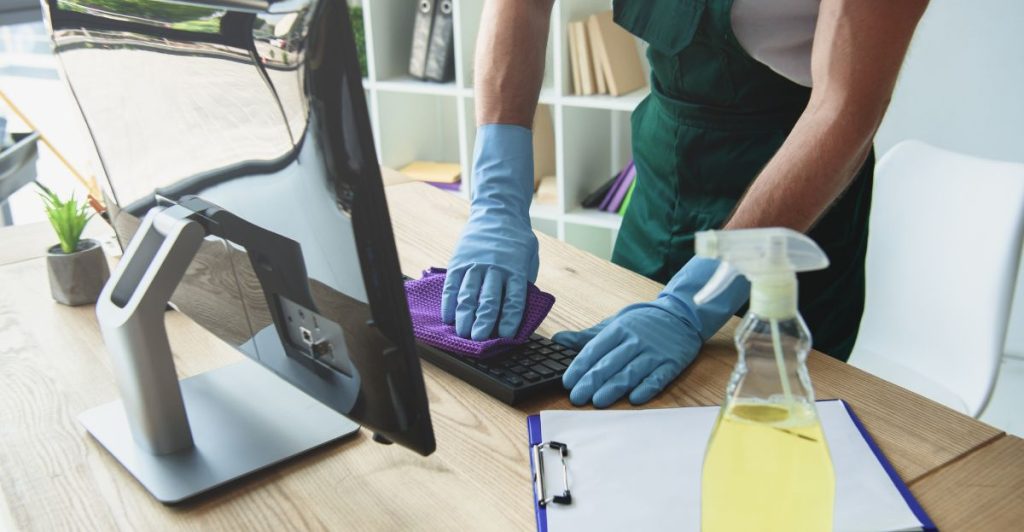
Discover why workplace hygiene is crucial for employee health, morale, and overall business success. Learn about the direct and psychological impacts, implications, and solutions for a cleaner and more productive work environment.
8 Simple Ways to Improve Your Office Experience

Ensuring positive employee experience motivates your people to get their job done. Meanwhile, their productivity can also benefit your company. That’s because higher productivity means you are able to serve more clients, which can impact your bottom line.
Understanding Facts And Myths around POSH Law in India

Harassment of women at workplace is not something new or unheard of. Despite ratifying in 1992 for CEDAW (United Nations Convention on Elimination of All forms of Discrimination against Women), no concrete measures were adopted to safeguard women’s interest at the workplace.
How can Organizations Create a Safe and Harassment-Free Workplace?

Despite progressive movements that seek to foster diversity and respect among members of society and in smaller clusters like workplaces, specifically, it seems like the problem persists. It is time to reevaluate workplace culture—why and how it permeates harassment and discrimination, and what must be done about it.
