

A Case Study on Healthcare Continuity beyond Employment
In India, corporate group Mediclaim has traditionally been positioned as an employee benefit. Over time, however, it has quietly taken on a more binding role – one that extends beyond the employee to their entire family and, in many cases, influences career decisions in ways organisations rarely acknowledge.
This case study looks at how one organisation re-examined this reality and consciously moved towards Healthcare Continuity beyond Employment, redefining the role of medical security in the employee-employer relationship.
The Unspoken Dependency Built into Group Mediclaim
Many organisations allow employees to include dependent parents under their group Mediclaim policy by paying an additional premium. This provides valuable advantages such as waivers on pre-existing disease waiting periods, maternity coverage, and broader hospitalisation benefits that are difficult to access through individual policies.
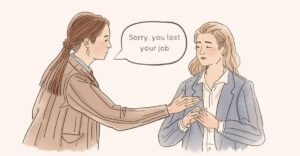
However, this arrangement carries an unspoken cost. The moment an employee exits the organisation, the family’s medical cover ends – regardless of how long the employee personally paid for it. For families managing chronic illnesses, ongoing treatments, or elderly parents, this sudden loss of coverage can be financially and emotionally devastating.
This raised a difficult but necessary question:
Are employees choosing to stay because they want to work here – or because their parents’ healthcare depends on it?
The Moment That Forced a Rethink
The trigger for change came when employees who had personally paid for parent coverage resigned. Despite bearing the full cost themselves, their families lost medical protection immediately upon exit, as the group policy required deletion of outgoing employees.
What became evident was the gap between standard industry practice and ethical responsibility. While the process was contractually correct, it was neither humane nor aligned with the organisation’s values. The absence of Healthcare Continuity beyond Employment became impossible to ignore.
A Leadership Shift: From Retention Lever to Human Responsibility
Initially, Mediclaim continuity was seen as a natural retention lever. From a purely transactional perspective, it worked. Employees hesitated to move because the risk to their family’s healthcare was too high.
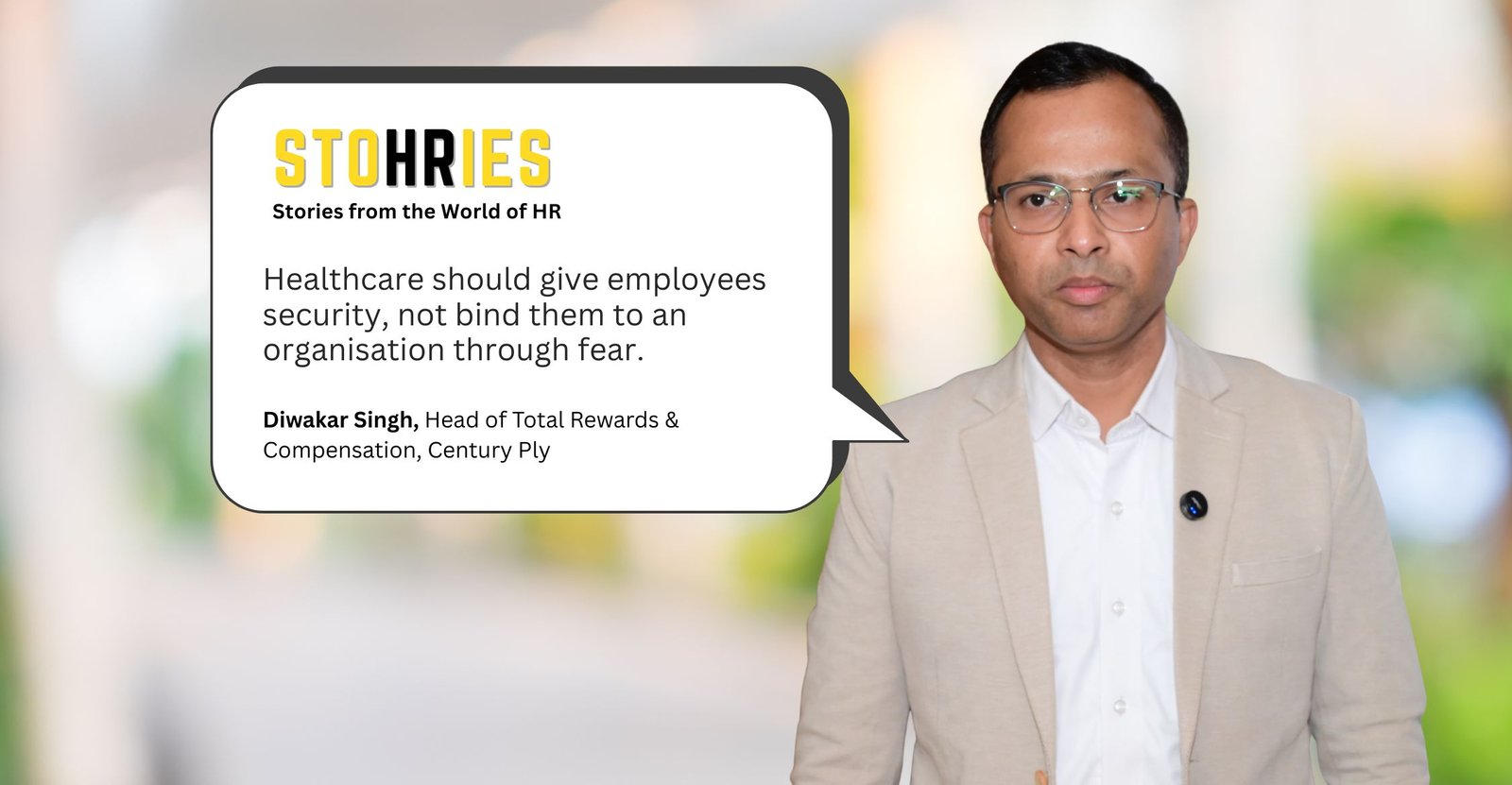
However, when viewed through a human lens, leadership recognised that this was fear-based retention – not loyalty. A clear and values-driven decision followed.
If someone required healthcare security for their family, the organisation would not use that dependency to hold them back.
This thinking went further. Even former employees – anyone who had once been part of the organisation – could re-enter the system if they needed medical protection. This marked a decisive shift towards Healthcare Continuity beyond Employment as a principle, not a perk.
The Structural Innovation That Enabled Change
The solution emerged through the creation of a legally independent society. Employees who wished to participate could become members by paying a nominal membership fee of ₹236 plus GST. Importantly, this society – not the company – became the policyholder.
Once this structure was in place, the insurer issued a group family floater policy to the society. The family definition remained comprehensive, covering the employee, spouse, two dependent children, and dependent parents. If a spouse wished to include their own parents, they could independently join the society and enrol their family.
This shift changed the very nature of coverage. Healthcare protection moved from being employment-linked to household-linked, creating a practical and sustainable model of Healthcare Continuity beyond Employment.
Related Posts
What Changed When an Employee Moved On
The true strength of the model became visible when employees exited the organisation.
Their names were not removed from the policy, and their families continued to receive uninterrupted medical coverage. All benefits – including waivers on pre-existing diseases, maternity coverage, and exclusions – remained fully intact. Employees could continue their coverage simply by paying the premium directly to the society.
As a result, career growth no longer came at the cost of family healthcare. Healthcare Continuity beyond Employment shifted from intent to lived experience.
Why the Insurer Supported the Model
From the insurer’s perspective, the model offered long-term stability. Membership remained consistent, forced deletions were eliminated, and risk pooling improved. Over time, claim predictability increased, making the arrangement both viable and sustainable.
This demonstrated that Healthcare Continuity beyond Employment is not just socially progressive, but also commercially sound.
Implementation Without Control
The rollout was designed to remain compliant and transparent. A legally compliant society was formed, employee participation was kept voluntary, and premium payment structures were clearly defined. Existing employees paid in six instalments, while former employees paid in a single instalment.
The organisation supported the process without exerting control, reinforcing trust and ownership among members.
Employee Response and Long-Term Impact
The response from employees was overwhelmingly positive, particularly from those with ageing parents or young families. Many felt the organisation had stood by them during critical life moments.
Even employees who moved on remained emotionally connected. Some eventually returned – not because they were bound to the organisation, but because they trusted it. This is the long-term impact of Healthcare Continuity beyond Employment.
Why This Model Matters for the Future of Work
As job mobility increases and careers become non-linear, healthcare can no longer remain locked to payroll. This case study demonstrates that organisations can offer security without creating dependency, and loyalty without fear.
It replaces the message, “Stay or lose your family’s healthcare,” with “Go grow – your family remains protected.”
That shift reflects what truly defines an Amazing Workplaces® – decisions that respect people beyond their tenure.