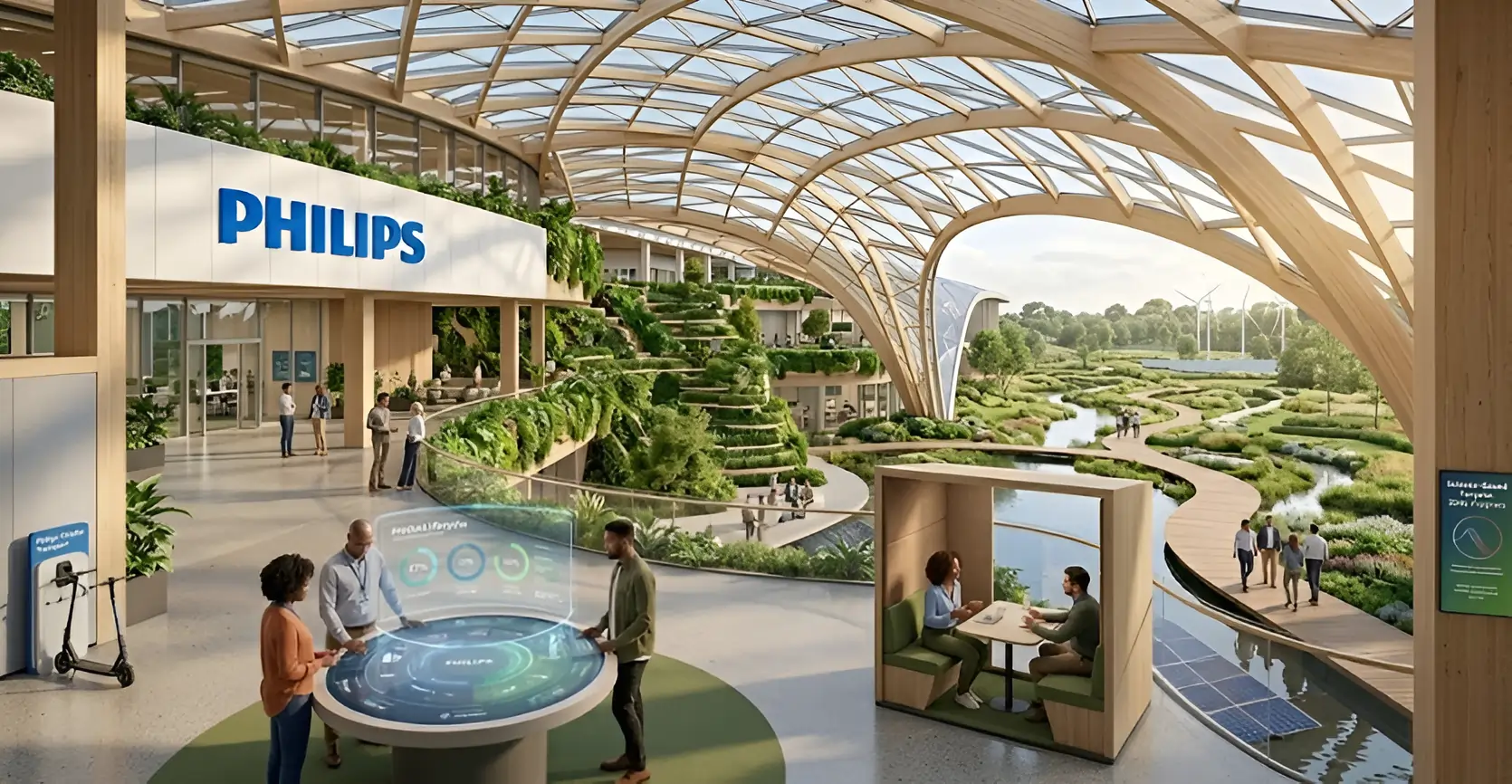


The Employee Value Proposition (EVP) is the most important thing that modern businesses do to find and keep top talent. This framework at Philips has grown far beyond just the usual benefits of health care and pay. The company has effectively integrated environmental stewardship into its core values. By prioritizing a carbon-neutral footprint, Philips has created a workplace where professional goals align perfectly with global health.
This alignment is a strategic choice. In a competitive labor market, top-tier candidates look for more than a paycheck. They seek a mission. Philips recognizes that a sustainable planet is a prerequisite for a healthy population. By embedding this into their daily operations, they have turned a corporate responsibility into a powerful recruitment tool.
Employee Value Proposition Built on Purpose
Sustainability at Philips is a lived reality, not a marketing slogan. The company achieved carbon neutrality in its operations in 2020. This milestone was just the beginning of a deeper cultural shift. Today, the focus is on the circular economy and reducing the footprint of the entire value chain.
This commitment has a direct impact on employer branding. When a company walks the talk, it builds a high level of trust with its workforce. Employees see that their daily tasks contribute to a larger, ethical objective. This sense of purpose is a primary driver of engagement in the modern era.
- Values Alignment: Employees want their personal ethics reflected in their workplace.
- Operational Transparency: Philips provides clear data on its carbon reduction progress.
- Innovation Focus: Sustainability drives the R&D team to find greener healthcare solutions.
The Power of Leadership in Workplaces
A green EVP cannot survive in a vacuum. It requires active Leadership in workplaces to thrive. At Philips, leaders are not just managers; they are ambassadors for the planet. They are responsible for translating broad climate goals into actionable team behaviors.
Leadership sets the tone for the entire organization. When executives prioritize renewable energy and waste reduction, it signals to every level of the company that these goals are non-negotiable. This top-down support ensures that green initiatives receive the necessary funding and focus to succeed.
- Modeling Behavior: Leaders use sustainable travel and digital-first meeting strategies.
- Accountability: Sustainability targets are often tied to performance metrics.
- Open Dialogue: Management encourages teams to suggest new ways to cut waste.
Utilizing Workplace Surveys for a Better Experience
Philips depends heavily on data-driven insights to maintain its culture at a world-class level. The company conducts regular surveys to determine how employees feel about its transition toward environmental sustainability. This feedback is essential for improving the internal experience and ensuring the EVP stays up to date.
These surveys do more than just find out how happy people are. They give workers a way to share their ideas for making the office more environmentally friendly. This democratic way of thinking about sustainability makes sure that everyone feels like they have a stake in the company’s success.
- Real-Time Feedback: Surveys identify gaps between corporate goals and daily life.
Related Posts
- Empowerment: Staff feel heard when their green suggestions are implemented.
- Continuous Improvement: Data allows HR to pivot strategies based on employee needs.
The Importance of External Certification
Authenticity is the enemy of greenwashing. Philips maintains its lead by seeking rigorous third-party certification. This includes validation from the Science Based Targets initiative (SBTi). These external audits provide the proof that the company is meeting its promises.
For the employee, these certifications are a badge of honor. It confirms that they are working for a truly ethical organization. This third-party trust is a vital component of a modern, resilient brand.
- Global Standards: Following international protocols ensures consistency across regions.
- Trust Factor: Candidates trust independent audits more than internal reports.
- Competitive Edge: Being a certified leader in sustainability attracts specialized talent.
Practical Integration into Daily Routines
The success of the Philips model lies in the small, daily choices available to every staff member. It is about making the sustainable choice the easiest choice.
- Circular Offices: Workspaces are designed with modular furniture and recycled materials.
- Zero-Waste Cafeterias: On-site dining focuses on local sourcing and composting.
- Green Commuting: Incentives are provided for electric vehicles and public transit.
These actions ensure that the “Green EVP” is not an abstract concept. It is something an employee interacts with every time they walk through the door. This consistent reinforcement builds a strong, unified identity.
Conclusion
A carbon-neutral EVP is a necessity for the future of work. Philips has demonstrated that when you combine Leadership in workplaces with authentic action, the results are transformative. By listening to their teams through workplace surveys and maintaining high certification standards, they have built a workplace that truly matters.