

For decades, HR focused on “culture fit.” The goal was simple: find a candidate who would blend in smoothly.
This practice created a common industry standard.
However, this old method has a major flaw. It often results in homogenous teams. This limits their true potential for creativity and innovation.
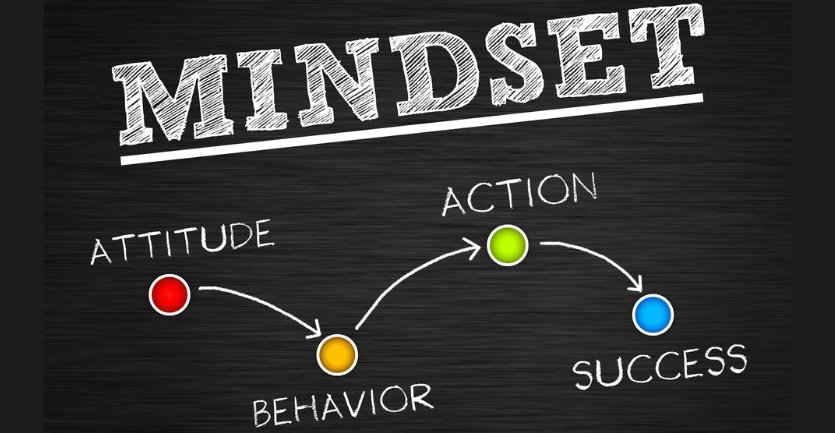
Today, leading organizations are changing the game. They embrace the Culture Add mindset. This shift views diversity as a critical business asset.
The Hidden Costs of “Culture Fit”
Hiring solely for “fit” prioritizes comfort. It puts future success at risk.
While harmony feels safe, the costs are substantial:
- Stifled Innovation: Everyone shares similar thinking. Teams develop the same blind spots. This uniformity leads to “groupthink.” It stops new ideas.
- Reduced Diversity: It favors people who look like the current staff. This deepens affinity bias. It unintentionally excludes highly qualified talent.
- Organizational Stagnation: The company resists new perspectives. It struggles to evolve. Adaptation becomes difficult in fast-moving markets.
Defining Culture Add: Strategic Expansion
Culture Add is the new hiring mindset. It focuses on strategic expansion, not just replication.
Related Posts
It actively identifies the unique perspectives, skills, and varied life experiences that are needed. It hires people who will genuinely strengthen the team.
A culture add candidate enhances your organization. They enrich the overall work experience. They boost the collective problem-solving power.
- Core Values Remain Key: A strong organizational culture must maintain its ethical foundation. Alignment with mission is non-negotiable.
- Focus on Differentiation: The core question changes dramatically: “What unique viewpoint will this person bring to enhance and challenge our current thinking?”
The ROI of Culture Add for Employer Branding
This shift is a competitive strategy. It delivers real business returns.
- Superior Financial Performance: Studies by McKinsey confirm the value. Companies high in diversity are 33% more likely to achieve industry-leading profitability. This is a clear indicator of success.
- Improved Market Relevance: Teams with varied professional and personal experiences better understand the global customer base. They anticipate market needs more accurately.
- Enhanced Talent Attraction: Modern candidates seek inclusive workplaces. Prioritizing Culture Add powerfully strengthens your employer branding. This attracts a wider, more exceptional pool of talent.
Practical Steps for Leaders
This transition requires deliberate action. It starts with decisive leadership in workplaces.
- Audit for Gaps: Use internal workplace surveys and team assessments. Pinpoint specific areas where perspectives or skills are limited.
- Revamp Interview Structure: Develop standardized questions. These must test the candidate’s ability to bring new ideas. Always check alignment with core ethics.
- Diversify Decision-Makers: Ensure interview panels are varied. Include people from different roles and backgrounds. This is key to mitigating unconscious bias.
- Champion Productive Conflict: Train managers to value respectful, intellectual disagreement. Recruit candidates skilled at challenging assumptions thoughtfully.
By embracing Culture Add, organizations stop seeking comfort. They commit to building dynamic, resilient, and high-performing teams. These teams are ready to drive market success.