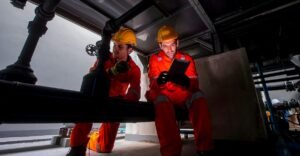


Workplace safety is no longer limited to preventing obvious accidents. Modern organizations face a wider range of health risks, many of which develop gradually and quietly. Exposure to poor air quality, ergonomic strain, chronic stress, and inadequate safety processes all affect employee wellbeing and legal risk.
Creating safer workplaces requires structured prevention, not reactive fixes. For HR leaders, safety is both a people issue and a governance responsibility.
Why Workplace Health Risks Are Evolving
Work environments have changed. Offices are denser. Workdays are longer. Hybrid models blur boundaries. Industrial settings rely on more complex machinery. Each shift introduces new risk vectors.
Many modern health risks are cumulative. Repetitive strain injuries. Respiratory issues from poor ventilation. Fatigue-driven errors. These do not always trigger immediate incidents, but they erode safety over time.
Effective protection strategies must account for long-term exposure, not just acute events.
Understanding Employer Duty of Care
Employers have a legal and ethical duty to protect employees from foreseeable harm.
This duty covers physical safety, psychological wellbeing, and environmental conditions. It applies regardless of whether harm is caused intentionally or gradually.
Courts and regulators increasingly assess whether reasonable preventive steps were taken. Policies alone are not enough. Implementation matters.
Clear risk assessments, training, and controls form the foundation of compliance.
Air Quality as a Workplace Safety Issue
Indoor air quality has moved from facilities concern to health priority.
Poor ventilation allows particulate matter, allergens, and airborne contaminants to accumulate. This affects respiratory health, concentration, and fatigue. In industrial or high-occupancy environments, the risk is amplified.
Installing and maintaining an industrial air purifier helps remove fine particulates and improve air circulation. These systems are designed for continuous operation in demanding settings.
From a safety perspective, air quality controls reduce both health complaints and long-term exposure risk.
Ergonomics and Musculoskeletal Protection
Musculoskeletal injuries remain one of the most common workplace health issues.
Poor workstation setup leads to back pain, neck strain, and repetitive stress injuries. These injuries develop slowly and are often underreported.
Ergonomic assessments should be standard, not optional. Adjustable seating. Monitor alignment. Break scheduling. These changes are low-cost and high-impact.
Preventing strain reduces absenteeism and long-term disability claims.
Psychological Safety and Mental Health
Safety includes mental health. High workloads, unclear expectations, and lack of control increase stress. Chronic stress contributes to burnout, anxiety, and depression. It also increases the risk of physical accidents.
Psychological safety allows employees to raise concerns without fear. Clear reporting channels and non-retaliation policies support this.
Mental health support should be integrated into safety strategies, not treated as a separate benefit.
Training as a Preventive Tool
Training reduces risk when it is specific and current.
Generic safety training fades quickly. Role-specific training stays relevant. Employees must understand hazards tied to their actual tasks.
Related Posts
Refresher training matters because processes change, equipment updates, and risks evolve over time.
Training should focus on recognition, not just rules. Employees who can identify hazards early prevent incidents.
Incident Reporting and Early Intervention
Near misses are warning signs. Organizations that ignore them miss opportunities to prevent serious harm. Reporting systems should capture minor incidents, not just injuries.
Data from near misses helps identify patterns such as faulty equipment, unsafe layouts, and training gaps. Early intervention reduces escalation.
Legal Implications of Workplace Injuries
When prevention fails, consequences follow. Workplace injuries can lead to regulatory action, compensation claims, and reputational damage. Employers are often judged on whether risks were reasonably managed.
Employees seeking guidance after an injury may consult specialists such as the team at Personal Injury Solicitors London to understand their rights. From an employer perspective, strong safety systems reduce the likelihood of disputes reaching that stage.
Prevention protects both employees and organizations.
The Cost of Unsafe Workplaces
The impact of workplace injury is measurable. According to the UK Health and Safety Executive, work-related injuries and ill health resulted in 17 million working days lost in 2022/23.
Lost productivity, replacement costs, and morale decline follow quickly. These are avoidable losses.
Integrating Safety Into Workplace Culture
Safety cannot be enforced only from the top. Culture shapes behaviour. Leaders who model safe practices set expectations. Managers who respond promptly to concerns build trust.
Safety metrics should be reviewed alongside performance metrics. When safety competes with productivity, safety often loses.
Embedding safety into decision-making prevents that trade-off.
Technology and Monitoring
Technology supports prevention when used thoughtfully. Sensors monitor air quality. Software tracks incidents. Wearables detect fatigue or unsafe movement in some environments.
Data improves visibility. Visibility enables action. Technology should complement human judgment, not replace it.
Reviewing and Updating Safety Measures
Workplaces change, and safety plans must keep up. Regular reviews identify outdated controls as new equipment introduces risks and workforce demographics shift.
Annual audits and periodic risk assessments help maintain alignment between policy and reality, as static safety plans fail over time.
Conclusion
Creating safer workplaces requires more than compliance. It requires anticipation, structure, and commitment.
Addressing health risks like air quality, ergonomic strain, and psychological stress protects employees and reduces legal exposure. Training, reporting, and continuous improvement reinforce those protections.
Safer workplaces are not accidental. They are designed, maintained, and reviewed with intention.