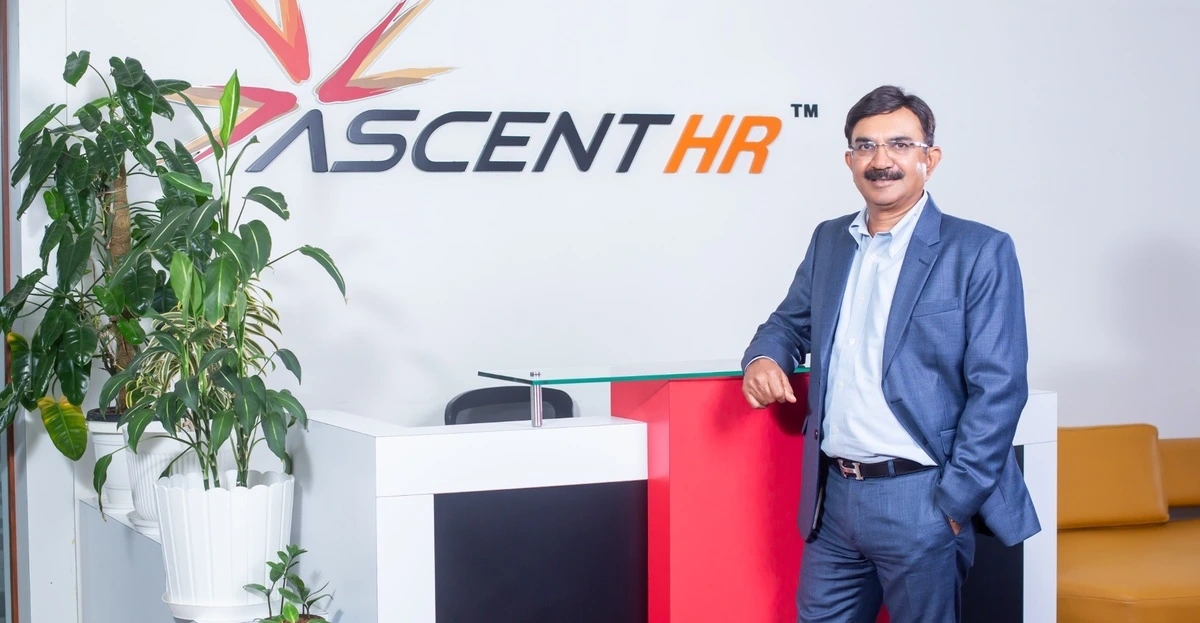
As AI reshapes the workplace and employee expectations continue to evolve, organisations are navigating the challenge of balancing technology, productivity and human connection. In this insightful conversation, Mr. Subramanyam Sreenivasaiah, Founder and CEO at AscentHR Technologies, shares his perspective on building future-ready workplaces, developing adaptable talent and ensuring that AI strengthens, rather than replaces, the human side of work.
1. How do you see AI transforming HR from a traditionally process-driven function into a more strategic and employee-centric function?
AI will change HR most meaningfully when it removes the administrative weight that has historically consumed its attention. Having built AscentHR from payroll and benefits administration into a broader HR technology business, I have seen how much effort goes into getting routine processes, compliance and employee records right. AI can take this further by interpreting workforce data, identifying patterns and helping leaders anticipate issues rather than simply react to them. That gives HR the headroom to concentrate on talent, productivity, engagement and workforce planning. The employee also benefits through faster, more contextual interactions. At its best, AI should strengthen human judgement, not substitute it.
2. As AI takes over repetitive HR tasks, how can organisations ensure that technology enhances rather than replaces human decision-making and empathy?
The right approach is to let technology handle consistency and scale, while keeping people responsible for context, judgement and compassion. AI is well suited to repetitive work, pattern recognition and recommendations, but decisions involving performance, career progression, workplace concerns or employee wellbeing require human understanding. In my experience, technology creates the most value when it gives managers better information without taking away their responsibility to exercise judgement. Organisations also need clear governance around data, transparency and accountability, with defined points where human intervention remains essential. Done properly, automation does not make HR less personal. It removes administrative burden and gives people more space for meaningful conversations.
3. What are some of the most impactful AI use cases you believe will shape talent management, employee engagement, and workforce productivity over the next few years?
The strongest use cases will emerge where AI can connect information that HR teams traditionally examine in isolation. For instance, payroll, attendance, leave, skills, performance and employee feedback together can reveal patterns that individual systems cannot. A sudden rise in absenteeism within a team may warrant attention long before a formal engagement survey highlights a problem. Similarly, skills data can help identify people ready for new roles instead of always looking outside for talent. AI can also make workforce planning more responsive by connecting business requirements with actual workforce capacity. That shift from fragmented information to connected intelligence will have the greatest practical impact.
4. With workforce expectations changing rapidly, what are the biggest shifts you are seeing in what employees expect from their employers and leaders today?
Employees increasingly expect their workplace to understand them as individuals rather than manage them as numbers. They want greater transparency around pay, career progression and performance, but also faster access to information and HR services without navigating layers of administration. I also see a stronger expectation that employers invest in learning because skills can become outdated quickly. Flexibility remains important, but so does clarity about how work is measured and how decisions are made. Perhaps the biggest shift is that employees now compare workplace experiences with the simplicity they experience as consumers. Leaders therefore need to combine digital convenience with trust, fairness and genuine human connection.
Related Posts
5. How can business leaders build organisations that are agile enough to adapt to changing employee expectations while maintaining productivity and business performance?
Agility starts with understanding that employee expectations and business performance are not competing priorities. They become aligned when organisations build the right systems and give managers timely visibility into what their workforce needs. Leaders should regularly examine indicators such as attrition, absenteeism, productivity, skills and employee feedback rather than relying on annual surveys or intuition alone. Equally important is giving managers enough autonomy to respond quickly while maintaining clear accountability. Technology can provide the underlying visibility, but organisational culture determines how effectively that information is used. The strongest organisations will be those that can adjust policies and workforce practices without creating uncertainty or compromising operational discipline.
6. What role does leadership play in creating a culture of continuous learning, especially as AI and emerging technologies continue to reshape jobs and skills?
Leadership has to create the confidence to learn before it can create a learning culture. Having built AscentHR through major shifts in technology and the nature of HR work, I have seen that skills cannot be treated as fixed assets. Leaders must recognise where roles are changing, invest ahead of that change and give people room to experiment without fearing failure. Learning also has to be connected to actual business problems, not limited to training calendars. When leaders remain curious themselves and openly adapt their own thinking, employees are far more likely to see continuous learning as part of their career, not an organisational obligation.
7. As hybrid, remote, and flexible work models evolve, how can organisations maintain employee engagement, collaboration, and a strong sense of belonging?
Flexibility works when it is supported by clarity, not simply by location freedom. People need to know how decisions are made, how performance is assessed and where collaboration genuinely requires collective presence. Leaders should create deliberate moments for teams to exchange ideas, recognise contributions and build relationships, because those things do not happen automatically through digital tools. I also believe employee listening has to become more continuous, particularly when teams are distributed. The objective is not to recreate an office virtually, but to build a workplace where people feel informed, trusted and connected to the organisation’s purpose, regardless of where they happen to work.
8. Looking ahead, what does the ideal ‘future-ready’ workplace look like to you, and what should organisations start doing today to prepare for it?
A future-ready workplace should not be obsessed with predicting the future. It should be built to respond intelligently when the future arrives. In my view, that means knowing what capabilities the business will need, understanding the people it already has and creating enough mobility between the two. Technology can provide intelligence, but leadership must provide judgement. We should also be honest with employees about how roles are changing and invest in helping them move forward. The organisations that do this well will not simply automate work. They will make their people more capable, adaptable and valuable as the nature of work changes.