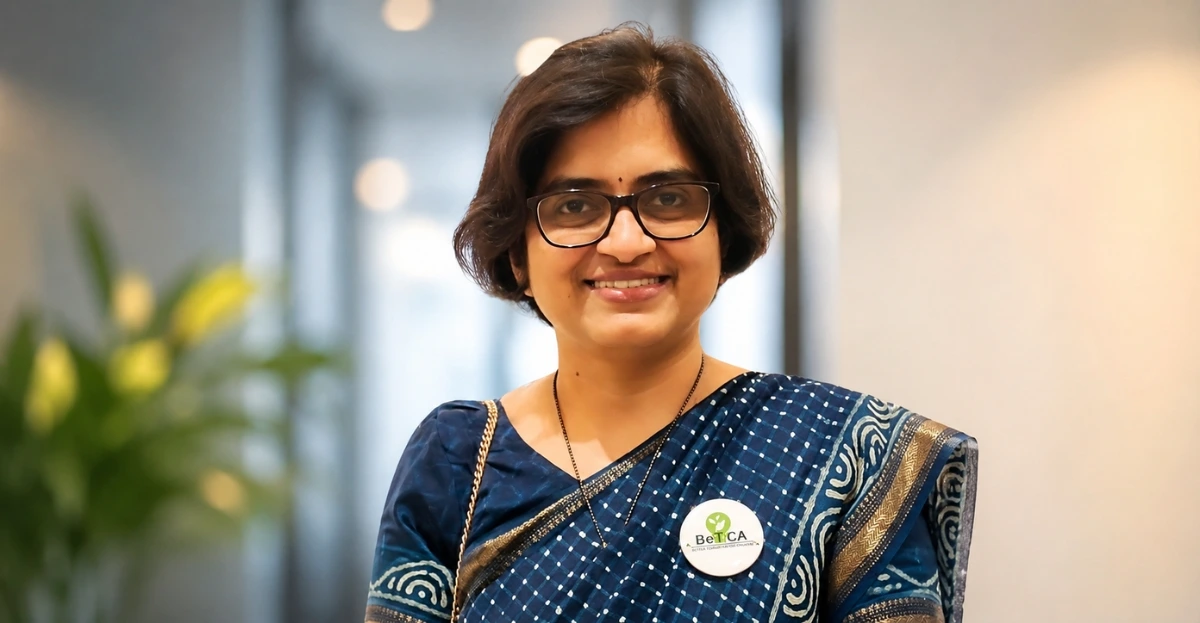
As semiconductor demand, embedded systems and automotive engineering talent continues to grow, deep-tech companies are taking a different approach to hiring than much of the broader technology industry. In this interview with Amazing Workplaces, Ms. Girija Shetty, Director – Human Resources, Vayavya Labs Pvt. Ltd., discusses the company’s hiring strategy, evolving talent needs, workforce planning and what engineers expect from employers today.
1. While many tech companies are announcing layoffs or hiring freezes, Vayavya Labs is expanding its engineering workforce. What is driving this growth strategy at this point in the industry cycle?
Every industry has its own hiring cycle because demand is driven by different business models. Many of the recent layoffs have been concentrated in sectors such as consumer internet, fintech and edtech, where hiring was closely linked to rapid user growth.
Our business is different. We work in deep-tech engineering, supporting customers in areas such as embedded software, semiconductor engineering and automotive technologies. These are long-term engineering programmes that require specialized capabilities, so hiring is closely aligned with project demand and customer commitments rather than short-term market cycles.
Growth in semiconductors, connected devices and software-defined vehicles continues to create sustained demand for embedded engineering talent. For us, hiring isn’t about filling positions—it’s about building capabilities that our customers will depend on over the next several years.
We also benefit from being based in Belagavi. Tier-2 cities offer access to excellent engineering talent, better stability and lower attrition, allowing us to build specialized expertise over the long term. Our growth reflects the opportunities we see ahead and the confidence our customers continue to place in us.
2. Company plans to scale to 400+ engineers over the next 14 months. What kinds of engineering capabilities or roles are seeing the highest demand right now?
Our strongest demand continues to be in semiconductor and automotive engineering, particularly Linux device drivers, Linux systems, virtual platform modelling and embedded software.
We’re especially looking for engineers with three to eight years of experience. They bring enough practical exposure to solve problems independently while continuing to grow with the organization.
At the same time, we remain committed to building future talent through campus hiring because developing niche engineering capabilities is a long-term investment.
3. Are you seeing a shift in how engineering talent is sourced today—between campus hiring, lateral hiring and specialized niche hiring—especially in deep-tech roles?
Lateral hiring has certainly become more important as companies look for experienced engineers who can contribute quickly to the complex product development cycles.
However, campus hiring continues to be an important part of our talent strategy. Around 20–30% of our talent pipeline comes from campuses because we believe specialized engineering skills are best built over time through structured learning and project exposure.
For highly specialized roles, we also partner with niche search firms since these capabilities aren’t easily available through traditional hiring channels.
Competition has also evolved. Today we’re competing not only with engineering services companies but also with semiconductor companies, automotive OEMs and global product organizations for the same talent pool. That makes it even more important to have a differentiated employee value proposition.
4. Has the hiring bar changed over the last one to two years in semiconductor and embedded engineering roles, particularly for entry- and mid-level talent?
The technical bar has always been high in our industry, but what we evaluate has evolved.
Related Posts
Today, we place greater emphasis on problem-solving, curiosity and the ability to think through complex engineering challenges rather than simply recalling tools or technologies.
AI is becoming an important productivity tool, and we encourage engineers to use it effectively. At the same time, we expect them to understand the fundamentals, validate AI-generated outputs and apply independent judgement.
Technology will continue to evolve, but strong engineering thinking remains timeless.
5. Do you think the industry is moving towards more “precision hiring” in deep-tech compared to the high-volume hiring models seen in mainstream IT services?
Yes, particularly in deep-tech.
Rather than hiring at scale for generic skillsets, organizations are increasingly looking for engineers with specialized expertise who can solve complex, domain-specific problems.
In our business, quality has always mattered more than volume. We receive a large number of applications, but our hiring decisions are driven by technical depth, learning agility and problem-solving capability.
As technology evolves and AI automates more routine work, these specialized engineering skills will become even more valuable.
6. How do you ensure hiring plans remain aligned with rapidly evolving global demand in semiconductor and embedded systems engineering?
Hiring planning is closely integrated with our business planning.
We continuously review our sales pipeline, customer engagements, project roadmaps and delivery requirements to understand the capabilities we will need over the coming months.
Rather than relying on a fixed annual hiring plan, we follow a rolling workforce planning approach that allows us to respond quickly to changing customer and market requirements while ensuring we have the right talent available when opportunities materialize.
7. What are engineers today looking for from deep-tech employers beyond compensation and brand value? In such a competitive talent market, what are some of the key factors that influence long-term retention?
Engineers today want to work on meaningful problems, continue learning and see the impact of their work. They value opportunities to build expertise, take ownership and contribute to products and technologies that solve real-world challenges.
Equally important is the culture they work in—access to good mentors, supportive managers, flexibility where possible and an environment that encourages continuous learning. When organizations can combine meaningful work with opportunities for growth and a strong culture, retention becomes a natural outcome rather than something driven purely by compensation.