

Burnout rarely arrives dramatically. It doesn’t always look like resignations, tears, or sudden breakdowns. More often, it seeps quietly into workplaces in subtle forms – declining curiosity, emotional withdrawal, muted enthusiasm, and a growing sense of disconnection from work that once felt meaningful. And because it rarely disrupts spreadsheets, meetings, or revenue charts immediately, burnout is too often rationalised, downplayed, or worse, normalised as the inevitable “cost of ambition.”
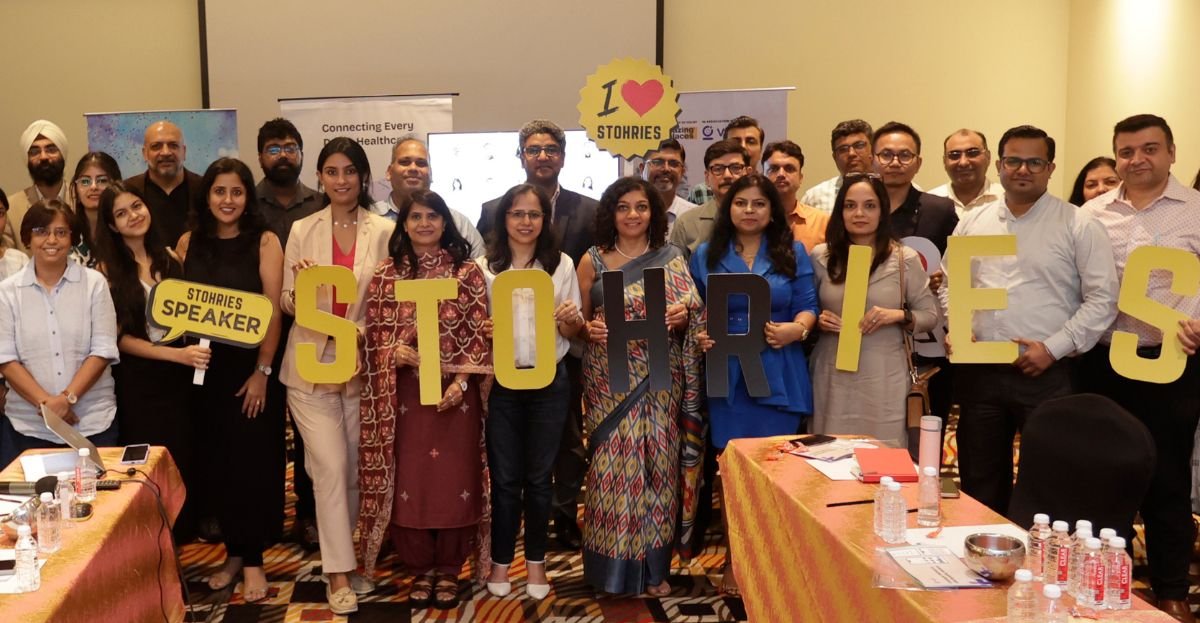
This uncomfortable truth sat at the heart of the recent StoHRies Roundtable by Amazing Workplaces®, in association with Visit Health, where senior HR leaders, practitioners, thinkers, and people champions came together to hold an honest mirror to the modern workplace. Guided thoughtfully by Bharathan Prahalad, Vice President – HR at Aziro, as session moderator, the room did not gather to merely manage burnout. They gathered to ask a braver question:
Why have we allowed burnout to become part of the workplace design in the first place?
This wasn’t a performative conversation. It was personal, reflective, and at times deeply unsettling -because it demanded accountability. Burnout, as the room acknowledged, is rarely an individual failure. It is almost always a systemic outcome.
Burnout Isn’t Only About Doing Too Much. Sometimes, It Starts When Work Stops Meaning Something.
One powerful shift in perspective emerged early – while workload is easy to blame, burnout often begins much earlier than exhaustion. It begins when roles stagnate. When learning plateaus. When people feel reduced to deliverables rather than contributors. When growth pauses but expectations do not.
Speakers like Altamash Vakil (Global Head – Total Rewards, Birlasoft), Oinam Premchand Singh (Head – Corporate HR, Jakson Group), Sangita Srivastava (Sr. Director – HR, AgreeYa Solutions), Bhavna Singh (Senior Manager – TA, HROne), and Sunil Srivastava (Chief Business Officer, Visit Health) brought richness to the dialogue through their real-world experience. Their presence strengthened a shared understanding: disengagement often precedes exhaustion.
Burnout doesn’t always start when people are doing too much. It often begins when they feel they are no longer doing something that truly matters.
The Most Dangerous Form of Burnout Is the One Nobody Sees
Burnout is deeply personal – and dangerously invisible. People keep showing up. Calendars are full. Performance metrics look healthy. Work moves forward.
And yet, emotionally, something is slipping.
The room reflected on how organisations today are sophisticated in tracking productivity but painfully under-equipped to track emotional drift. Leaders relying only on dashboards, HRMS systems, and formal check-ins often miss the earliest warning signs.
That is where leadership presence becomes non-negotiable. It requires leaders who truly know their people – beyond designations and KRAs. Leaders who notice tone shifts, silent disengagement, and pauses between words. Leaders who create time, not just tasks.
Psychological Safety: Where Stress Ends and Burnout Begins
A recurring truth echoed through the roundtable – stress is inevitable. Burnout is not.
What determines the difference is whether people feel safe enough to speak before stress becomes unmanageable. Psychological safety is not a “wellness initiative” or an HR trend. It is the foundation on which sustainable performance rests.
When employees feel listened to rather than evaluated, acknowledged rather than dismissed, and supported rather than judged, conversations begin early – and burnout loses power. When safety is missing, silence takes over. That silence is where burnout grows strongest.
Contributors like Parveen Sehrawat (HCLTech), Mridul Srivastava (HR & Thought Leader), Gagandeep Singh (Leadership Coach) and Anant Pal Rastogi (Head HR, KidZania) emphasised through their perspectives how real human connection remains the most powerful buffer against emotional depletion.
Related Posts
Long Hours Are Not Proof of Commitment
One widely-challenged myth during StoHRies was the outdated notion that presence equals performance.
The room agreed – when value gets confused with visibility, burnout becomes inevitable. Measuring success by hours instead of impact erodes trust, robs autonomy, and creates a culture where being “constantly available” becomes mistaken for being truly committed.
Productivity needs to shift from “How long did you work?” to “What difference did your work make?” Because employees don’t just want to be busy. They want to be meaningful.
Isolation Fuels Burnout. Connection Protects Against It.
Policies matter. Processes matter. Programs matter. But sometimes, the strongest antidote to burnout is simply another human being.
A colleague who checks in. A manager who listens without rushing to fix. A leader who remembers that work is done by people, not profiles.
Culture isn’t built through grand statements. It’s built through daily interactions – gestures that don’t appear on dashboards but define how supported people truly feel.
Rehumanising Work Is a Leadership Responsibility
Perhaps the most sobering realisation in the room was this:
Burnout is not a rare workplace mishap. It is the predictable result of systems designed around speed over sustainability, output over experience, and compliance over compassion.
But it does not have to be this way. Rehumanising work doesn’t demand radical disruption. It requires leaders who pause, who observe, who question outdated definitions of productivity and power – leaders who choose empathy alongside efficiency.
This is precisely why StoHRies by Amazing Workplaces® exists.
Not as another corporate event. Not as a checkbox initiative. But as a deliberate, thoughtful, deeply human space for conversations organisations desperately need – yet rarely make time for.
With the steady guidance of moderator Bharathan Prahalad, meaningful contributions from leaders like Altamash Vakil, Oinam Premchand Singh, Sunil Srivastava, Sangita Srivastava, Bhavna Singh, Mridul Srivastava, Parveen Sehrawat, and heartfelt reflections from industry voices including Gagandeep Singh and Anant Pal Rastogi, this StoHRies session didn’t just discuss burnout.
It helped leaders see it differently. More honestly. More responsibly.
At Amazing Workplaces®, the belief remains unwavering: Healthy workplaces are not built by ignoring discomfort, but by engaging with it courageously. Because burnout may be quiet – but leadership indifference is louder than we realise.