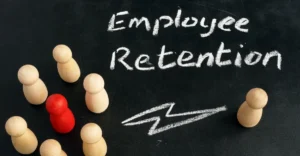
Employee monitoring software has quietly become one of the most divisive topics in modern HR. Companies swear by it. Employees resent it. And somewhere in the middle, workplace culture is paying the price.
The shift to hybrid work gave organisations a reason – some would say an excuse – to monitor more. Screen time trackers, keystroke loggers, email scanners, productivity scores. The technology exists, so companies use it.
But just because you can watch doesn’t mean you should. And the growing body of research on this topic suggests that most companies haven’t stopped to ask that question seriously enough.
Employee Monitoring Software Is More Widespread Than Most Realise
A 2023 study by the American Management Association found that over 78% of large employers use some form of electronic monitoring. That number has likely grown since hybrid work became the norm.
What are they tracking?
- Active screen time and application usage
- Email and chat message frequency
- Login and logout timestamps
- Keystroke and mouse movement activity
- Camera attendance during virtual meetings
- GPS location data for hybrid and field-based staff
On paper, this looks like productivity management. In practice, it often feels like something else entirely – and employees are noticing.
What Workplace Surveys Are Revealing About Trust
The findings from workplace surveys on this topic are hard to ignore. A 2024 Gartner study found that 41% of employees felt less trusted after their company introduced monitoring tools. Nearly 38% said it directly hurt their motivation at work.
That’s not a fringe reaction. That’s nearly half your workforce quietly disengaging.
When people feel watched rather than supported, the employee experience breaks down fast. They stop taking initiative. They start optimising for how they look on screen rather than the quality of the work they’re actually producing. Creativity takes a hit. So does honest communication.
This matters beyond internal culture. It hits employer branding harder than most HR teams account for. Candidates today research companies thoroughly before they apply. A reputation for heavy surveillance travels through review platforms, professional networks, and conversations at industry events. The strongest candidates, the ones with real options, tend to factor this in.
Leadership in Workplaces: Monitoring Is Not a Management Strategy
Here is an uncomfortable truth that doesn’t get said enough. Most companies don’t turn to monitoring because they have a productivity problem. They turn to it because they have a leadership gap.
Strong leadership in workplaces means knowing how your team is performing without needing to count their keystrokes. It means having direct, honest conversations. Setting goals that people actually understand. Building enough mutual trust that accountability becomes something people feel internally – not something enforced by a dashboard.
Monitoring software doesn’t fix poor management. It masks it, for a while.
The organisations that consistently build high-performing teams are the ones that invest in developing their managers – not in expanding their surveillance infrastructure. Better conversations outperform better tracking, every single time.
Related Posts
Culture Doesn’t Survive in a Surveillance Environment
Workplace culture is shaped by how people feel on an ordinary Tuesday. Not the away days or the town halls – the daily, lived experience of showing up and doing the work.
Nothing erodes that feeling faster than the sense of being constantly watched.
Companies that genuinely take culture seriously understand this. They monitor where it makes sense – for compliance, data security, or in regulated industries – but they don’t treat monitoring as a management default.
The workplaces that handle this well tend to follow a few clear principles:
- They are transparent about what is monitored and the specific reason behind it
- They keep monitoring limited to work devices and contracted working hours
- They give employees direct visibility into their own data where possible
- They connect any monitoring to defined business outcomes, not general suspicion
- They review monitoring policies regularly and include employee voice through structured workplace surveys
The line between responsible oversight and invasive surveillance comes down to intent. Employees can almost always tell which side of that line they’re on.
Certification and Employer Branding: Your Policy Sends a Signal
More organisations are now pursuing formal workplace certification – independent recognition that validates their culture, people practices, and employee experience standards.
Done properly, certification is a powerful employer branding tool. It gives candidates, clients, and partners an external signal that the company takes its people seriously, not just in marketing copy, but in actual policy and practice.
The challenge is that certification only holds up when your internal reality matches your public positioning. If your monitoring policy is in direct conflict with your stated values around trust and autonomy, that gap will surface. It shows up in employee feedback, in exit interview themes, and in workplace surveys where the scores don’t match the narrative leadership believes.
Consistency is what makes employer branding credible. What you claim to stand for has to be what your employees genuinely experience, from their first week to their last.
The Question Every Leader Should Sit With
Before deploying any monitoring tool, every HR leader and senior manager should ask one honest question: Is this a productivity problem – or is it a trust problem we haven’t been willing to address directly?
In most cases, it’s the second one.
Invest in clearer goals. Develop your managers. Create the conditions where people actually want to perform. That’s what separates companies people are proud to work for from the ones they leave the moment something better comes along.
Watch less. Lead better. Build something worth staying for.