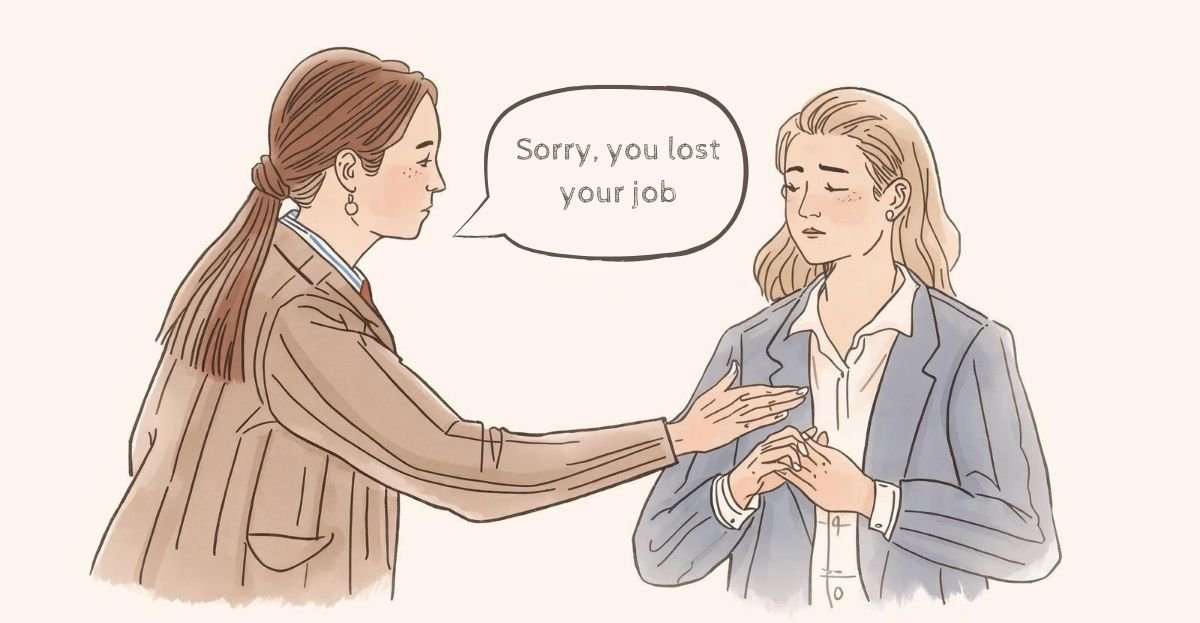
Redundancy is one of the most challenging processes HR professionals and business leaders may need to manage. While organisational restructuring, economic pressures, or strategic changes sometimes make workforce reductions unavoidable, the way redundancy is handled can significantly impact employee wellbeing, organisational reputation, and future talent attraction.
For HR teams across Yorkshire, providing structured redundancy support is not only a legal responsibility but also a crucial part of ethical people management. Many organisations now work with specialist providers offering redundancy support yorkshire services to ensure employees receive professional guidance during this transition. From ensuring compliance with UK employment law to supporting employees through career transitions, effective redundancy support demonstrates an organisation’s commitment to responsible HR practices.
By offering clear communication, practical guidance, and access to professional support services, HR departments can help employees navigate redundancy with dignity and confidence.
Ensuring Compliance and Protecting Employee Rights
One of HR’s primary responsibilities during redundancy is ensuring the process is fair, transparent, and legally compliant. UK employment law provides specific protections for employees facing redundancy, including statutory redundancy pay, notice periods, and consultation requirements.
HR professionals must ensure that redundancy processes follow proper procedures, including fair selection criteria and meaningful consultation with affected employees. Mismanaging this stage can expose organisations to legal risk and damage employee trust.
HR teams often work closely with employment law advisers to review contracts, redundancy packages, and consultation processes. Providing employees with clear explanations of their rights, entitlements, and timelines helps reduce confusion and anxiety during a difficult period.
Employees may also need guidance regarding final payments, accrued holiday, and access to government benefits. HR can play a key role in directing employees to appropriate resources so they receive the support they are entitled to.
Outplacement and Career Transition Support
Forward-thinking HR departments recognise that redundancy support should extend beyond legal compliance. Many organisations in Yorkshire now provide outplacement services to help employees transition into new roles.
These services often include:
- CV writing and professional profile development
- Interview coaching and preparation
- LinkedIn optimisation and personal branding guidance
- Structured job search strategies
- Access to employer networks and recruitment partners
Yorkshire’s major economic centres including Leeds, Sheffield, and York offer opportunities across industries such as financial services, digital technology, healthcare, education, and advanced manufacturing. HR-led outplacement programmes that connect employees with regional opportunities can significantly improve chances of re-entering the workforce.
Providing structured career transition support also protects the employer brand by demonstrating that the organisation values employees even at the point of departure.
Supporting Employee Wellbeing During Redundancy
Redundancy affects more than employment status; it can also have a profound impact on mental health and confidence. Work often provides structure, identity, and social connection, so losing a role can create emotional stress and uncertainty.
Related Posts
HR teams increasingly incorporate wellbeing support into redundancy programmes. This may include access to employee assistance programmes (EAPs), wellbeing workshops, or one-to-one coaching sessions focused on confidence building and stress management.
Managers should also be trained to handle redundancy conversations with empathy and professionalism. Clear communication and respectful treatment during the process help maintain dignity for employees and trust within the remaining workforce.
Peer support groups and facilitated networking sessions can also be beneficial, allowing employees to share experiences, advice, and potential job opportunities.
Retraining and Skills Development Opportunities
From an HR perspective, redundancy can also be an opportunity to support workforce reskilling and long-term employability. Offering access to training programmes or education funding demonstrates a commitment to employee development beyond their time with the organisation.
Yorkshire benefits from a strong network of universities, colleges, and training providers, including institutions such as University of Leeds and Sheffield Hallam University. Many offer flexible courses designed for professionals seeking new qualifications or career transitions.
HR teams can collaborate with these institutions to provide guidance on funded courses, professional certifications, and apprenticeships aligned with regional skills shortages. Areas such as digital technology, project management, healthcare, and skilled trades continue to see strong demand.
Supporting reskilling initiatives helps employees move forward while reinforcing an organisation’s reputation as a responsible employer.
The Strategic Role of HR in Managing Redundancy
Handled poorly, redundancy can damage morale, productivity, and employer reputation. Managed well, it can demonstrate an organisation’s integrity and commitment to people even during difficult business decisions.
HR leaders play a central role in shaping how redundancy is experienced by employees. By prioritising transparency, compliance, wellbeing support, and career transition assistance, HR teams can ensure that workforce changes are managed ethically and professionally.
For organisations across Yorkshire, investing in structured redundancy support programmes helps protect both people and reputation turning a challenging process into an opportunity to demonstrate strong and responsible HR leadership.