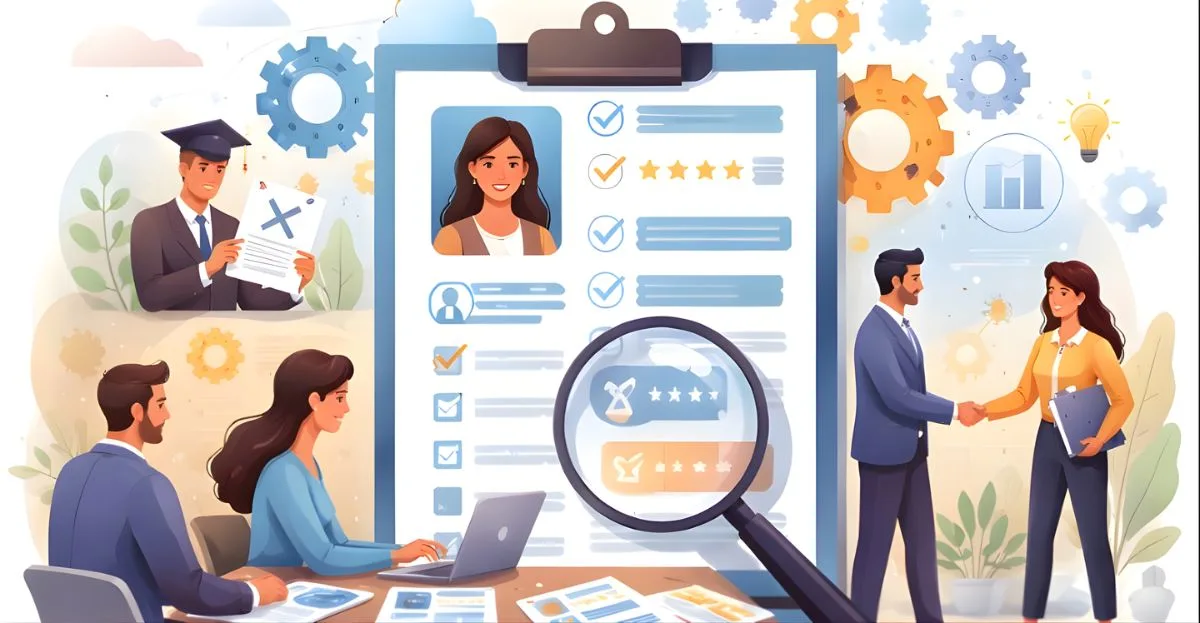
Skills-based hiring is fundamentally changing the landscape of modern recruitment. For decades, the university degree served as the primary filter for HR departments. However, the rapid pace of digital transformation has made traditional credentials less reliable. Today, what a candidate can do matters far more than where they went to school.
This transition is not just a trend. It is a response to a tightening labor market. Companies are realizing that strict degree requirements often exclude highly capable talent. By focusing on verified competencies, organizations can fill roles faster and with higher precision.
Skills-Based Hiring: Why the Degree Requirement is Fading
The shift away from degrees is driven by the need for agility. Modern workplace surveys indicate that a significant percentage of managers find that recent graduates lack specific technical skills. This “skills gap” has forced a rethink of the hiring funnel.
Organizations are now prioritizing “STARs”-workers who are Skilled Through Alternative Routes. These candidates may have gained expertise through military service, boot camp training, or prior job experience. When you remove the degree barrier, your talent pool expands instantly.
The Role of Practical Validation
Instead of relying on a transcript, recruiters are turning to a specific certification to verify proficiency. These credentials provide a snapshot of current knowledge. Unlike a four-year degree, a professional certification is often updated annually to reflect industry changes.
- Objective Testing: Skills tests remove the guesswork from hiring.
- Reduced Bias: Focusing on data points reduces unconscious bias toward elite universities.
- Faster Onboarding: Candidates possessing the necessary skills accelerate their onboarding process.
Strengthening Employer Branding and Meritocracy
Your recruitment strategy is a direct reflection of your employer branding. Top-tier talent today looks for equity and opportunity. When a company advertises roles based on skills, it sends a powerful message. It says that the organization values merit over pedigree.
This approach attracts a more diverse range of applicants. It shows that the company is forward-thinking and inclusive. People perceive a brand that disregards the “paper ceiling” as a modern, progressive workplace. This perception is vital for attracting Gen Z and Millennial workers who value skill development.
Building a Culture of Growth
A skills-first approach deeply influences an organization’s internal culture. Employees become more motivated when they understand the connection between learning and career progression. This creates a high-performance environment where continuous improvement is the norm.
Related Posts
- Clear Pathways: Employees see a direct link between upskilling and promotion.
- Fairness: Rewards are based on measurable output rather than seniority.
- Engagement: Staff feel valued for their unique contributions.
Improving the Employee Experience and Retention
The modern employee experience starts during the interview process. When a candidate undergoes testing based on their actual abilities, they experience a greater sense of accomplishment upon hiring. They enter the role knowing they have the tools to succeed.
Retention rates are typically higher in skills-centric organizations. This is because the “job-person match” is more accurate. When a person’s skills align perfectly with their daily tasks, burnout decreases. They feel competent and empowered, which leads to long-term loyalty.
Flexibility and Internal Mobility
Skills-based systems allow for better internal mobility. Having a map of each employee’s skills enables you to allocate talent to the most critical areas. This agility is a massive competitive advantage. It prevents the need for constant external hiring and keeps your best people within the company.
Leadership in Workplaces: Driving the Change
The transition to this model requires strong leadership in workplaces. It is not enough to change the job description; the hiring managers’ mindset must change, too. Leaders must champion data over intuition.
Executive buy-in is crucial for investing in the right assessment technology. Without the proper tools to measure skills, the process can become disorganized. Leaders must also model a “learn-it-all” rather than a “know-it-all” attitude to encourage the rest of the workforce.
The Future of Talent Acquisition
We have entered an era in which the “shelf-life” of a skill is roughly 5 years. In technical fields, it is even shorter. This reality makes the traditional degree-centric model unsustainable. Companies that cling to old hiring habits will struggle to find talent.
By adopting skills-based hiring, organizations ensure they stay relevant. They build teams that are capable, diverse, and ready for change. The degree is no longer the destination; it is merely one of many paths to professional success.