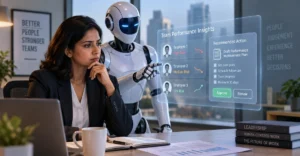
Micro-learning is changing how employees acquire and retain new skills at work. As job roles evolve faster than traditional training can keep up, companies are moving away from long classroom sessions. They now use short, focused learning moments that fit into the workday.
This shift is not a trend. It is a response to how modern employees actually learn.
Why traditional learning is losing relevance
Many employees struggle to fit training into their schedules. Busy workloads, frequent virtual meetings, and ongoing changes leave little time for long courses.
According to the LinkedIn Workplace Learning Report, employees prefer learning that is:
- Short and easy to access
- Directly related to their current role
- Available at the moment of need
When people feel that learning is not connected to their jobs, they often lose interest. As a result, they remember less, and having new skills does not always improve how they perform.
What micro-learning really means
Micro-learning divides lessons into small, focused sections. Each part covers just one idea or skill. Most modules take only 5 to 10 minutes to finish.
Common formats include:
- Short videos
- Scenario-based quizzes
- Interactive job aids
- Mobile-friendly lessons
The aim is not to replace deeper learning. Instead, it is to support people as they build new skills by offering regular, helpful reminders.
How micro-learning improves skill development
Micro-learning works because it aligns with how adults process information.
Key benefits include:
- Higher retention
Cognitive science demonstrates that incremental learning enhances memory retention. Short sessions help strengthen long-term memory and prevent overload. - Faster application
Employees can use their new skills right away. This boosts confidence and performance. - Learning in the flow of work
Skills are learned when they are needed, not weeks in advance.
Deloitte research has consistently shown that companies that use continuous, bite-sized learning are better able to deal with change.
Impact on culture and employee experience
Learning shapes the workplace culture. Employees feel supported when development is easy to access and useful.
Micro-learning contributes to:
- A culture of continuous improvement
- Stronger employee experience through personalised learning
- Higher participation in internal certification programs
Employees are more likely to participate when training respects their time and addresses real issues. This helps build trust and commitment.
Related Posts
The link to leadership in workplaces
Micro-learning is very useful for developing leadership skills. Managers usually prefer quick, practical support rather than sitting through long, theory-heavy classes.
Micro-learning supports leaders by offering:
- Short modules on coaching conversations
- Just-in-time guidance for performance reviews
- Practical tips for managing hybrid teams
This approach helps workplace leadership remain consistent, human, and responsive.
Using data to guide learning strategy
Workplace surveys play an important role in making micro-learning effective. The feedback they provide helps identify which content is useful and where there are skill gaps.
Smart organisations use survey insights to:
- Prioritise learning topics
- Measure skill confidence before and after training
- Align learning with business outcomes
This data-driven approach ensures learning investments deliver value.
Employer branding and long-term value
Learning opportunities influence how employees view their organisation. Companies that invest in modern learning models strengthen their employer branding.
Micro-learning signals that the organisation:
- Cares about employee growth
- Understands modern work realities
- Supports lifelong learning
This matters in competitive job markets because people are attracted to and stay with companies that offer chances to grow.
Making micro-learning work
Micro-learning is most effective when it is carefully planned. Good programs usually share a few key features:
- Clear learning objectives
- Content tied to real job tasks
- Regular updates based on feedback
- Integration with broader learning paths and certification
It should complement, not replace, deeper development initiatives.
The road ahead
Micro-learning is changing the way employees acquire new skills by aligning with the fast pace of today’s workplaces. It supports culture, skill development, and leadership while keeping people focused on their jobs.
For businesses aiming to grow, gain experience, and build trust, micro-learning has become essential. It provides a strong foundation for building workplaces that are prepared for the future.