
Marriott Employee Engagement Strategy Explained
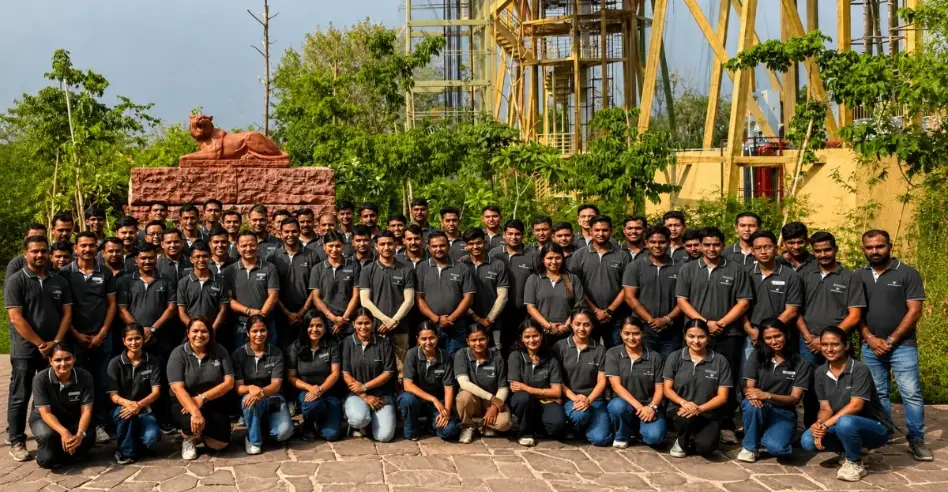
Learn how the Marriott employee engagement strategy drives employee retention, wellbeing, and workplace culture through its TakeCare program, frontline empowerment, and flexible work practices. Discover practical HR lessons that organizations can adapt to strengthen engagement and long-term business success.
The Deep Tech Talent War: Why Startups Lose and How HR Can Fix It

As demand for deep tech talent intensifies, startups face growing challenges in hiring and retaining specialized engineers. This article explores why traditional recruitment approaches fail, the key reasons startups lose top candidates, and how HR teams can build effective hiring strategies.
Job Evaluation Methods: The Quiet HR Process That Determines Who Gets Paid What

Job evaluation methods help organisations create fair, transparent, and consistent pay structures. From ranking and classification to point factor and market pricing, these frameworks influence employee trust, pay equity, workplace culture, and long-term employer branding.
Multi-Generational Workforce: How HR Can Manage Boomers, Gen X, Millennials and Gen Z Together

Managing a multi-generational workforce requires HR leaders to balance different communication styles, career expectations, and work preferences. This guide explores practical strategies to help Boomers, Gen X, Millennials, and Gen Z thrive together in modern workplaces.
Culture Atrophy: What It Is, How to Spot It, and How HR Can Reverse It

Culture Atrophy is the slow decline of workplace culture that weakens engagement, trust, and performance over time. This article explains how to identify early warning signs, understand root causes, and outlines practical HR strategies to rebuild culture and sustain a meaningful employee experience.
Change Management in HR: How to Help Employees Navigate Constant Workplace Disruption

Change Management in HR is now a continuous process as workplaces face constant disruption. This article explores how HR teams can reduce resistance by improving communication, building trust, empowering managers, and using data-driven strategies to help employees adapt and stay engaged.
Green HRM Practices: How Sustainable HR Is Becoming a Talent Attraction Strategy

Green HRM practices are reshaping how companies attract and retain talent. From eco-conscious hiring to sustainable workplace culture, HR leaders are using environmental responsibility to strengthen employer branding and build teams that stay longer and perform better.
Transitioning to a Skills-Based Organization using Predictive Skill Gap Modeling
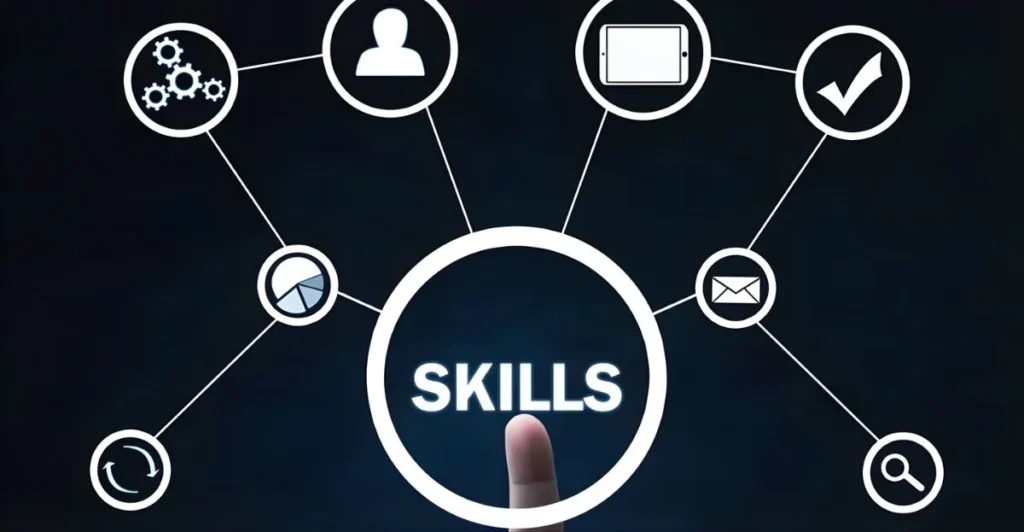
Skills-Based Organization models use predictive modeling to bridge gaps. By focusing on employer branding, culture, and experience, leaders build agility. Using certification and workplace surveys, Leadership in workplaces ensures talent stays future-ready and aligned.
Resilience and Reinvention: How Indigo Airlines Keeps Its People Aligned Through Turbulence

IndiGo Airlines showcases how strong culture, transparent leadership, continuous learning, and inclusive practices help keep employees aligned through industry turbulence, building resilience and long-term engagement.
Workplace Culture Audits: What, Why & How

Workplace culture is not a set of words on a wall poster. It is the real-world experience employees have every day. It’s the unwritten rules, the shared beliefs, and the behaviours that are actually rewarded. Given its profound impact on business results, understanding and intentionally shaping this culture is a top priority for effective Leadership […]
How Surveys Drive Transparent Communication in Organizations

Transparent communication is the cornerstone of a successful modern workplace. Surveys are a powerful, formal mechanism that HR and business leaders use to build and maintain this transparency. They create a structured, safe channel for genuine, two-way dialogue between an organization and its workforce. This process is not about simply gathering data; it is […]
How to Measure Employee Experience Effectively

In today’s competitive talent market, a superior employee experience (EX) is no longer a perk, it’s a core business strategy. The culture you create and the journey your employees take from their first day to their last directly impact your bottom line. However, measuring this experience goes beyond a simple annual poll. It requires a […]
Strategies for HR Leaders to Drive Company Expansion and Scalability

HR plays a pivotal role in scaling businesses. From leadership development and strategic compensation to targeted learning and inclusive culture, discover how HR professionals can drive company growth and build a strong foundation for sustainable expansion.
How to Detect Early Signs of Employee Burnout

Burnout often begins with subtle signs like decreased motivation, irritability, or frequent absences. Recognizing these early warning signals is key. By offering timely support, employers can enhance employee well-being, maintain productivity, and improve retention in today’s demanding work environments.
Types of Workplace Bias and How to Address Them

Workplace bias often operates silently, shaping decisions, team dynamics, and opportunities. Understanding the different types of workplace bias is the first step toward building inclusive, fair, and empowering environments where every employee feels valued and has a chance to succeed.
How to Stop Quiet Quitting with Employee Engagement
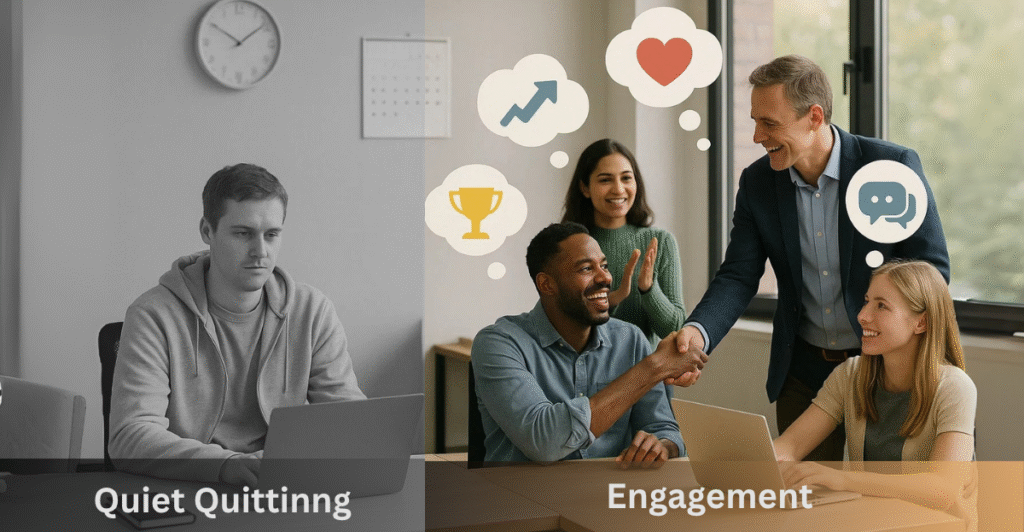
Quiet quitting happens when employees emotionally check out, doing only the bare minimum. This blog explains how early signs of disengagement can be reversed through strong employee engagement strategies focusing on recognition, purpose, flexibility, and career growth to build lasting motivation.
How to Use Employee Survey Results Effectively
Learn how to use employee survey results effectively to boost engagement, build trust, and drive real change. This blog guides you through analyzing feedback, communicating transparently, prioritizing issues, and turning data into action that strengthens workplace culture.
Are Employee Surveys Really Confidential and Anonymous?

Are employee surveys really confidential? Without trust in anonymity, feedback becomes filtered or absent. This blog explores how organizations can ensure true confidentiality, why it matters to employees, and how secure surveys lead to better engagement, honest feedback, and a stronger workplace culture.
What’s the Best Employee Survey Frequency?

Choosing the right employee survey frequency is key to gathering meaningful feedback without overwhelming your team. This blog explains how often to run surveys, signs you’re over- or under-surveying, and how to strike the right balance to boost engagement, trust, and workplace improvement.
Best Strong Organizational Values Examples and How to Bring Them to Life
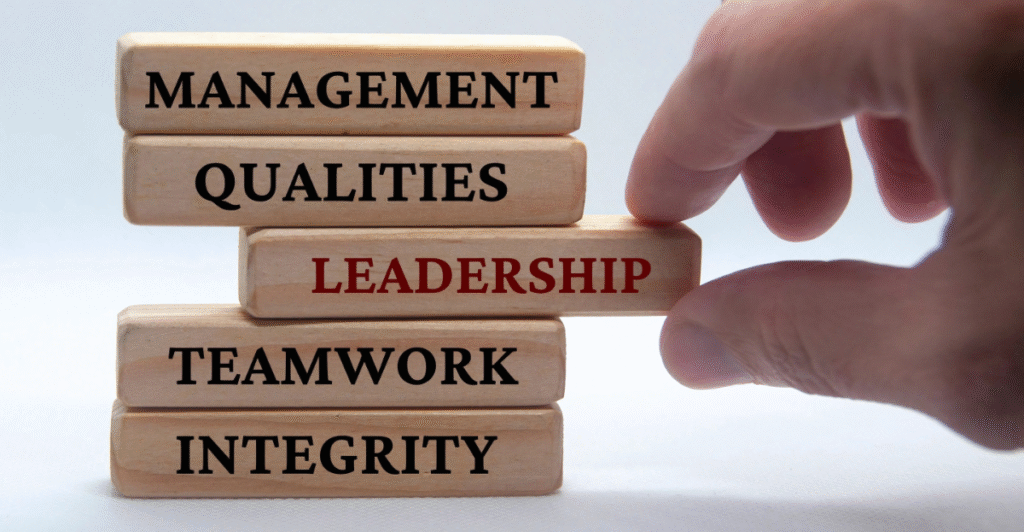
Organizational values define how a company operates, builds trust, and engages its employees. This article shares real organizational values examples from top companies and offers practical steps to bring those values to life. Learn how to embed values into daily actions and build a strong culture without spending much.
Using CSR to Improve Employee Retention

CSR is no longer just about following rules. It’s now a smart way to keep employees engaged and loyal. Younger workers, like Millennials and Gen Z, want to work for companies that care about people, purpose, and making a difference.
How Cross Functional Training Can Help HR Managers Become Business Enablers

HR is evolving from an administrative role to a strategic force. This blog explores how cross functional training equips HR professionals with the skills needed to drive business outcomes and lead organizational transformation in 2025.
How to Increase Survey Response Rates for Better Insights

Survey response rates are more critical than ever in today’s hybrid, people-first workplaces. Low participation can lead to flawed data and poor decisions. This article explores why trust, timing, communication, and leadership involvement are key to boosting survey completion and unlocking honest, actionable employee feedback that drives meaningful change.
The 3 Deadliest Mistakes Companies Make After an Employee Survey

Many companies run employee surveys but fail to act on the results. This damages trust and culture. Learn the three most common mistakes organizations make after surveys—and how to avoid them. Take real action, involve employees, and make feedback meaningful to drive engagement, retention, and a positive workplace culture.
