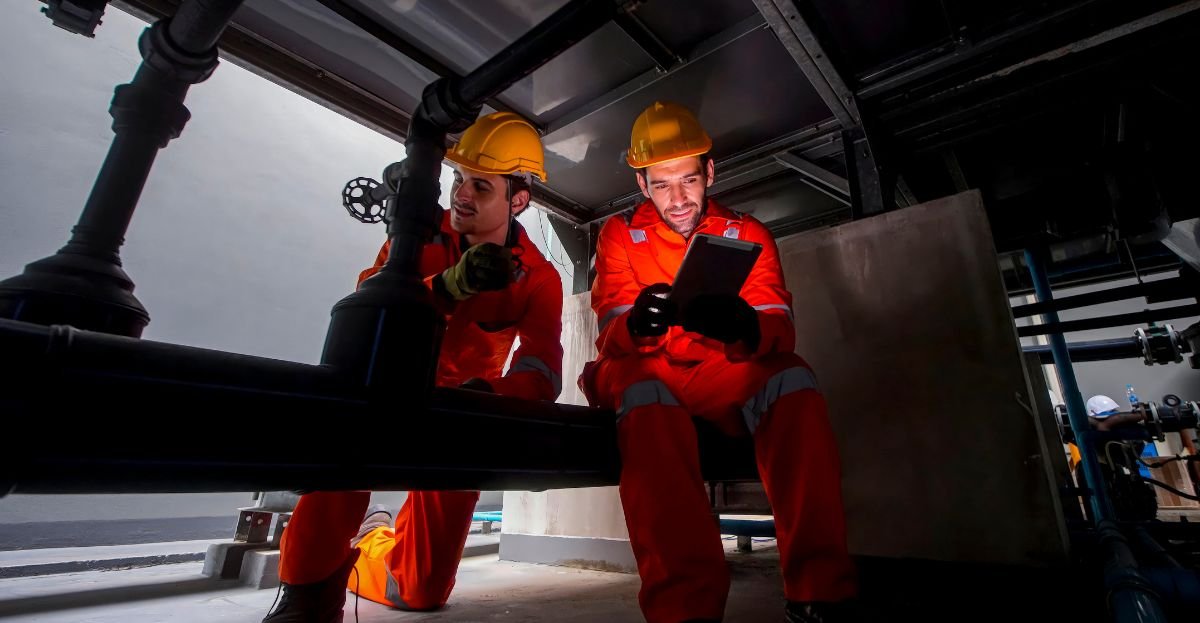


Workplace security teams are responsible for protecting personnel, property, and operational infrastructure. Whether operating in corporate offices, industrial facilities, campuses, or event venues, security personnel require specialized equipment that supports mobility, communication, and rapid response. Properly selected gear improves situational awareness, enhances personal protection, and ensures that security teams can perform their duties efficiently in dynamic environments.
Security equipment must balance durability, functionality, and comfort so personnel can maintain readiness during extended shifts.
Protective Equipment and Load-Bearing Systems
Personal protective equipment forms the foundation of most security gear systems. Security teams often operate in environments where unpredictable workplace incidents may occur, making body protection and equipment organization critical.
Load-bearing systems allow officers to carry essential tools without restricting movement. Platforms such as shellback plate carriers are commonly used to distribute equipment weight across the torso while supporting protective ballistic plates when required.
These carriers provide modular attachment points that allow security personnel to configure their gear depending on operational needs.
Key features of modern load-bearing systems include:
- MOLLE webbing platforms for attaching modular pouches
- Adjustable shoulder and waist straps for weight distribution
- Durable materials such as Cordura nylon for long-term wear
- Ventilated padding systems that improve comfort during long shifts
Load-bearing carriers allow officers to carry radios, medical kits, flashlights, and other tools in organized configurations that remain accessible during emergency situations.
Communication Equipment for Team Coordination
Proper communication is essential for workplace security operations. Security personnel often work in teams spread across large facilities or campuses, requiring constant communication to coordinate responses and share situational updates.
Common communication tools used by security teams include:
- Two-way radios for real-time voice communication
- Earpieces or headsets for discreet communication
- Backup communication devices in case of system failure
Two-way radios operating on professional radio frequencies allow teams to communicate independently of cellular networks. This reliability is particularly important during emergencies when mobile networks may become congested.
Many modern communication systems also integrate with centralized security monitoring centers, allowing supervisors to coordinate team responses across multiple locations.
Workplace communication channels significantly reduce response times during incidents.
Tactical Lighting and Visibility Tools
Security teams frequently operate in low-light environments such as parking garages, building perimeters, warehouses, or outdoor facilities during nighttime hours. Tactical lighting equipment allows officers to inspect areas, identify hazards, and maintain visibility in these environments.
Essential lighting tools include:
- High-lumen handheld flashlights
- Rechargeable duty lights with multiple brightness settings
- Headlamps for hands-free inspection tasks
Modern tactical flashlights use LED emitters capable of producing several hundred to several thousand lumens. Many models include adjustable brightness modes and strobe features designed for signaling or emergency situations.
Durable flashlight housings constructed from aluminum or reinforced polymers ensure reliability in demanding environments.
Lighting equipment allows security personnel to inspect dark areas thoroughly while maintaining situational awareness.
Surveillance and Monitoring Equipment
Security teams rely heavily on surveillance technology to monitor facilities and detect suspicious activity. While centralized monitoring systems are typically managed in control rooms, field personnel often use portable monitoring tools.
Examples include:
- Mobile devices connected to surveillance systems
- Body-worn cameras for incident documentation
- Portable inspection cameras for equipment checks
Body cameras provide documented records of interactions and incidents, improving accountability and supporting post-incident investigations.
Portable monitoring tools allow officers to verify alerts generated by centralized security systems without requiring immediate assistance from monitoring staff.
Integrated surveillance systems help security teams detect potential threats before they escalate.
Related Posts
Medical and Emergency Response Supplies
Security personnel are often the first responders during workplace emergencies. As a result, many security teams carry basic medical supplies that allow them to stabilize injuries until professional medical services arrive.
Typical emergency equipment carried by security teams includes:
- Tourniquets for severe bleeding control
- Compression bandages and gauze
- Nitrile gloves and antiseptic supplies
- Compact trauma kits mounted on gear carriers
Quick access to medical supplies can significantly improve outcomes during workplace accidents or security incidents.
Training is essential for personnel carrying medical equipment. Security staff should be trained in basic first aid and trauma response procedures.
Identification and Uniform Systems
Clear identification is important in professional security operations. Employees and visitors must be able to recognize authorized security personnel quickly during emergencies or routine interactions.
Uniform systems often include:
- Tactical shirts and duty uniforms
- Identification badges and patches
- High-visibility outerwear when operating outdoors
Professional uniforms create a visible security presence that can deter misconduct while reinforcing authority.
Some organizations also provide specialized apparel for team activities or promotional events. Branded gear such as custom baseball jerseys may be used during corporate events, training programs, or community outreach initiatives to build team identity and public engagement.
Although these items are not operational equipment, they contribute to organizational cohesion and brand visibility.
Durable Carry Systems for Security Equipment
Security teams often carry multiple pieces of equipment throughout their shifts. Proper carry systems ensure that tools remain organized and accessible while preventing fatigue caused by uneven weight distribution.
Common carry solutions include:
- Tactical belts with modular pouches
- Duty backpacks for additional equipment
- Shoulder bags for mobile security patrols
These systems allow officers to transport equipment such as radios, documentation tools, and emergency supplies without restricting movement.
Durable materials and reinforced stitching ensure that carry systems withstand daily operational use.
Training and Equipment Maintenance
Even the best security equipment is ineffective without proper training and maintenance. Security teams must regularly inspect their gear to ensure it remains functional and ready for deployment.
Routine equipment maintenance includes:
- Inspecting radios and batteries for reliable communication
- Checking lighting equipment and charging systems
- Replacing worn straps or damaged protective gear
Regular training exercises help personnel practice using their equipment during realistic scenarios.
Prepared teams can respond more effectively when security incidents occur.
Workplace security teams rely on specialized equipment that supports protection, communication, monitoring, and emergency response. Protective load-bearing systems, communication devices, tactical lighting, surveillance tools, and medical supplies all play essential roles in maintaining workplace safety. When security teams combine high-quality gear with proper training and maintenance procedures, they are better equipped to respond to incidents and protect both personnel and organizational assets.