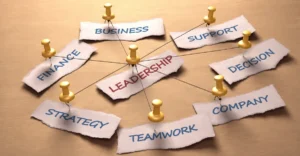
An employee-driven culture is the cornerstone of the modern high-performance organization. For years, corporate culture was something designed in boardrooms and forced downward. Today, that model is obsolete. Proper cultural health is now defined by the people doing the work, not just those leading it.
When employees influence their environment, they develop a sense of ownership. This ownership leads to higher retention, better innovation, and a more resilient brand. It is no longer about perks; it is about agency.
Why the Shift is Happening
The global workforce has changed its expectations. Professionals now seek more than a paycheck. They want a voice. A top-down approach creates a “compliance culture” in which people do just enough to get by. An employee-driven approach creates a “commitment culture.”
In a commitment culture, the worker’s experience is the primary focus. When people feel heard, they are more likely to go the extra mile. This isn’t just theory; it is a business strategy that directly impacts the bottom line.
Employee-Driven Culture: A Framework for Growth
To build this environment, leadership must be willing to let go of total control. This transition requires a shift in how power is distributed within the office. It involves moving from a “command and control” style to a “support and empower” mindset.
Leadership in workplaces plays a critical role here. Leaders act as architects who provide the foundation, but the employees are the ones who decorate and live in the house. This partnership creates a dynamic where everyone feels responsible for the company’s reputation.
The Role of Transparency
Transparency is the fuel for an employee-led model. People cannot lead if they do not have the whole picture. Sharing financial goals, challenges, and long-term visions allows staff to align their personal efforts with the company’s trajectory.
When information is siloed, trust erodes. When information is shared, the team feels like partners rather than just “headcount.” This level of respect is what separates average companies from industry leaders.
Strategic Tools for Cultural Evolution
Fostering this environment requires specific, repeatable actions. You cannot simply hope for a good culture to emerge; you must build the systems that allow it to flourish.
- Workplace surveys: These should be frequent and anonymous. Use them to ask deep questions about daily frustrations and aspirations.
- Actionable Feedback: Data is useless without response. If a survey highlights a problem, leadership must address it publicly and quickly.
- Autonomous Squads: Group employees into small teams with the power to make their own departmental decisions.
- Open Forums: Create “town hall”- style meetings where the agenda is set by staff, not executives.
- Peer-to-Peer Learning: Encourage employees to lead training sessions. This recognizes internal expertise and builds community.
Related Posts
By using these tools, you ensure the culture remains a living entity that evolves with the workforce’s needs.
Building a Magnetic Employer Brand
Your employer branding reflects your internal reality. In the digital age, candidates can easily spot the difference between a marketing “gloss” and a genuine environment.
A culture driven by employees is naturally more authentic. When your team is happy, they become your best recruiters. They share their stories on platforms like LinkedIn and Glassdoor, providing social proof that no HR campaign can match.
The Power of Validation
Gaining a third-party certification is a vital step in this process. It provides an external benchmark for your efforts. It tells the world that you don’t just claim to have a great environment-you have been audited and verified.
These certifications help in:
- Attracting high-quality talent who value transparency.
- Identifying “blind spots” that leadership might have missed.
- Setting a standard for year-over-year improvement.
- Increasing the company’s valuation through demonstrated stability.
Long-term Benefits of the Employee-Led Model
The benefits of this shift extend far beyond morale. Organizations that prioritize the employee experience see tangible improvements in productivity and customer satisfaction. When employees are treated well, they treat customers well.
Furthermore, these organizations are more agile. Because the “boots on the ground” are empowered to make decisions, the company can react to market changes faster than a traditional hierarchy could.
Overcoming Resistance
It is natural for some leaders to fear losing authority. However, an employee-driven model actually makes a leader’s job easier. Instead of policing behavior, leaders spend their time removing obstacles and coaching talent.
The goal is to create a self-sustaining ecosystem. When the culture is healthy and driven by the team, it survives leadership changes and economic shifts. It becomes the “soul” of the company.
Final Thoughts for HR Leaders
Transitioning to an Employee-Driven Culture is a marathon, not a sprint. It requires patience, humility, and a genuine love for your people. Start small by asking your team one question: “What is one thing we can change today to make your work life better?”
Then, do it. That single act of listening is the first step toward a world-class workplace.