
Every year, on the first Friday in March, organizations around the world observe Employee Appreciation Day – a moment dedicated to recognizing employees’ contributions, celebrating small wins, and honouring the people who make work happen.
Introduced in 1995 by Dr. Bob Nelson alongside his book 1,001 Ways to Reward Employees, the day was created to remind employers of a simple truth-people perform at their best when they feel seen, valued, and understood.
At its best, Employee Appreciation Day is not merely an event. Its true value lies far beyond a single date on the calendar. In today’s dynamic and people-driven workplaces, gratitude is no longer a “nice-to-have.” It is a foundation for engagement, performance, and trust.
From Recognition to Relationship
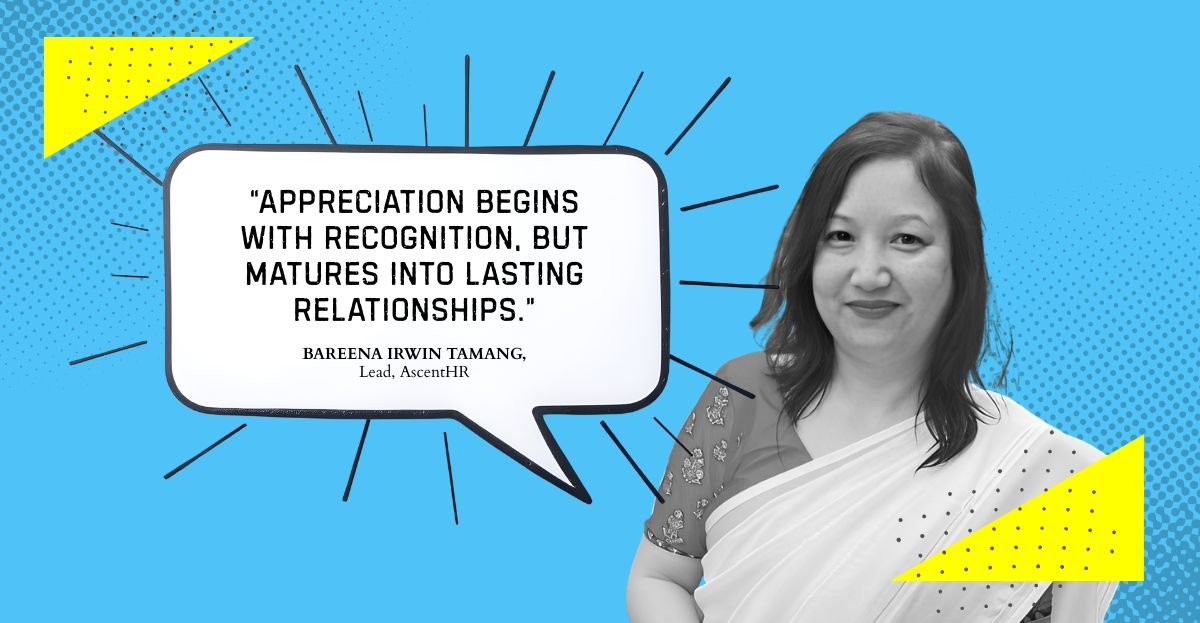
Appreciation begins with recognition, but it matures into relationship. When leaders take time to acknowledge individual contributions, they communicate a powerful message: You matter here. This sense of belonging strengthens emotional connection and inspires employees to bring their best selves to work.
Over the years, I have observed that the most admired leaders are not those who speak the loudest about strategy, but those who listen attentively, notice quietly, and appreciate consistently. Their recognition is timely, personal, and grounded in genuine respect. Such leaders build relationships that extend beyond roles and reporting lines.
Personalized Appreciation: The Human Advantage
One of the most effective forms of appreciation is personalization. A short note referencing a specific achievement, a leader recalling a challenge overcome, or a manager acknowledging effort during difficult phases – these gestures create lasting impact.
In one organization, a senior executive made it a habit to personally congratulate team members after major milestones. These were not scripted emails, but brief, heartfelt messages reflecting real understanding of the work involved. Over time, this practice became a defining feature of the company’s culture. When appreciation is personal, it becomes meaningful.
Appreciation as an Investment in Growth
Forward-looking organizations increasingly view appreciation as an investment in people’s futures. Learning opportunities, mentorship, leadership exposure, and skill development are now central to recognition strategies.
When leaders support growth, employees respond with loyalty, innovation, and resilience. Development-focused appreciation builds confidence and creates a virtuous cycle of learning and performance. It signals that success is measured not only by today’s results, but by tomorrow’s capabilities.
Related Posts
Stories That Inspire Commitment
Some of the most powerful examples of appreciation are rooted in empathy. I recall a manager who noticed a team member working relentlessly under pressure. Instead of focusing only on outcomes, the manager offered flexibility, support, and encouragement.
The employee later described this experience as transformational – not because of any reward, but because of genuine care. Such moments shape organizational memory. They become stories employees share, remember, and replicate. Appreciation, when rooted in understanding, becomes cultural capital.
Building a Culture of Everyday Gratitude
Modern workplaces, especially hybrid and remote environments, require intentional recognition. Many organizations are embedding appreciation into daily workflows through regular feedback, peer recognition platforms, digital appreciation boards, and monthly forums.
Managers are increasingly encouraged to view appreciation as part of their leadership toolkit – alongside planning, coaching, and performance management. When gratitude becomes routine, it becomes credible.
Practical Principles for Meaningful Appreciation
Five principles consistently guide effective appreciation:
- Be specific – highlight what was done and why it mattered.
- Understand preferences – balance public and private recognition.
- Align with values – reinforce ethical and cultural priorities.
- Celebrate effort and learning – encourage growth and resilience.
- Lead visibly – model gratitude from the top.
These practices require no large budgets – only attentiveness and intent.
A Commitment That Shapes the Future
The effectiveness of appreciation depends on authenticity. Employees quickly recognize when recognition is transactional. Genuine appreciation is consistent, fair, and heartfelt. When leaders communicate gratitude sincerely, it deepens trust and strengthens credibility. Employee Appreciation Day invites leaders to reflect: Do our people feel valued regularly, or occasionally?
The organizations that will thrive in the coming years are those where appreciation is embedded into leadership behaviour, management practices, and organizational values. In such environments, employees feel secure, inspired, and empowered to contribute meaningfully. When leaders embrace appreciation as a long-term commitment, they create workplaces where people tend to belong, grow, and succeed together.