
How Britannia Builds Employee Engagement Across Factory and Corporate Teams
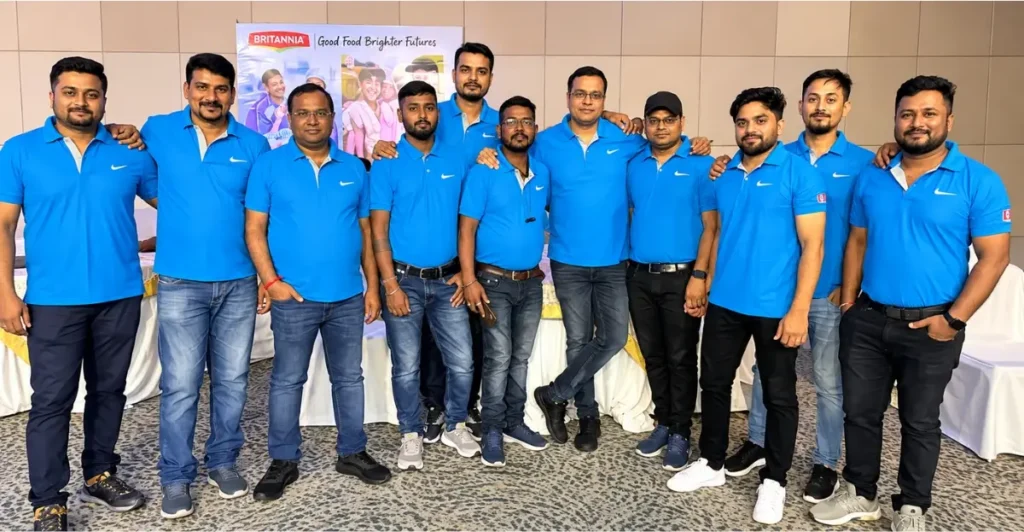
Britannia employee engagement spans factory floors and corporate offices alike. This case study looks at how the 130-year-old FMCG major uses shared values, safety-first culture, inclusion targets, and structured wellness rhythms to engage a mixed blue-collar and white-collar workforce.
Workplace Friendships: Do They Actually Boost Retention?

Workplace friendships and employee retention are closely connected. Strong workplace relationships can boost engagement, loyalty, and collaboration, while poor culture, cliques, and forced social activities can undermine retention. HR leaders can create conditions where meaningful connections form naturally.
Volunteer Time Off (VTO): Designing a Program That Employees Actually Use

Volunteer Time Off (VTO) can strengthen employee engagement, retention, and workplace culture—but only when employees use it. This guide explains how to design a practical VTO program with enough hours, simple approvals, leader participation, flexible causes and clear usage metrics.
Job Crafting: Letting Employees Shape Their Own Roles

Job Crafting empowers employees to shape their roles by adjusting tasks, relationships, and how they view their work. When supported by managers, it can improve employee engagement, motivation, and performance while helping organizations build a more adaptable, resilient, and meaningful workplace.
Companies Winning Employer Branding Awards and Why
Discover what sets the 2026 employer branding awards winners apart. Learn how leading companies used authentic employee stories, engagement data, and continuous culture-building to strengthen their employer brand, attract top talent, and earn industry recognition through credible workplace practices.
Marriott Employee Engagement Strategy Explained
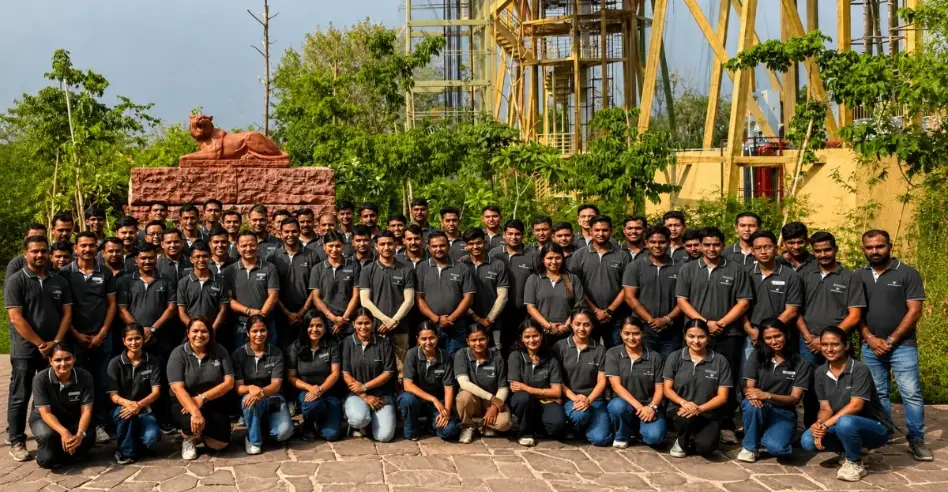
Learn how the Marriott employee engagement strategy drives employee retention, wellbeing, and workplace culture through its TakeCare program, frontline empowerment, and flexible work practices. Discover practical HR lessons that organizations can adapt to strengthen engagement and long-term business success.
How to conduct a culture audit in your company – a 5-step framework with free checklist

A culture audit helps organizations uncover gaps between stated values and employees’ real experiences. This guide shares a practical 5-step framework, actionable insights, and a free checklist to assess workplace culture, improve engagement, strengthen retention, and create a more transparent, high-performing work environment.
Job Rotation: Benefits, Challenges and How to Implement It

Job Rotation helps organisations build stronger teams, improve employee engagement, and develop future leaders through structured cross-functional learning. When implemented strategically, it strengthens retention, workplace culture, employer branding, and long-term business agility.
Building a Remote Company Culture: 15 Tips for a Cohesive Workplace

Remote work is now a competitive advantage, but building a strong remote company culture requires intentional leadership. This guide shares 15 practical tips to improve engagement, collaboration, and connection, helping organizations create cohesive, high-performing distributed teams.
What keeps 600,000 employees engaged inside the TCS Work Culture

TCS Work Culture shows how Tata Consultancy Services keeps over 600,000 employees engaged through continuous learning, strong values, recognition, and inclusive leadership. Its focus on growth, trust, and belonging drives high retention and a consistent global employee experience.
Employee Appreciation Day: Why Real-Time Recognition Matters More Than Annual Celebrations
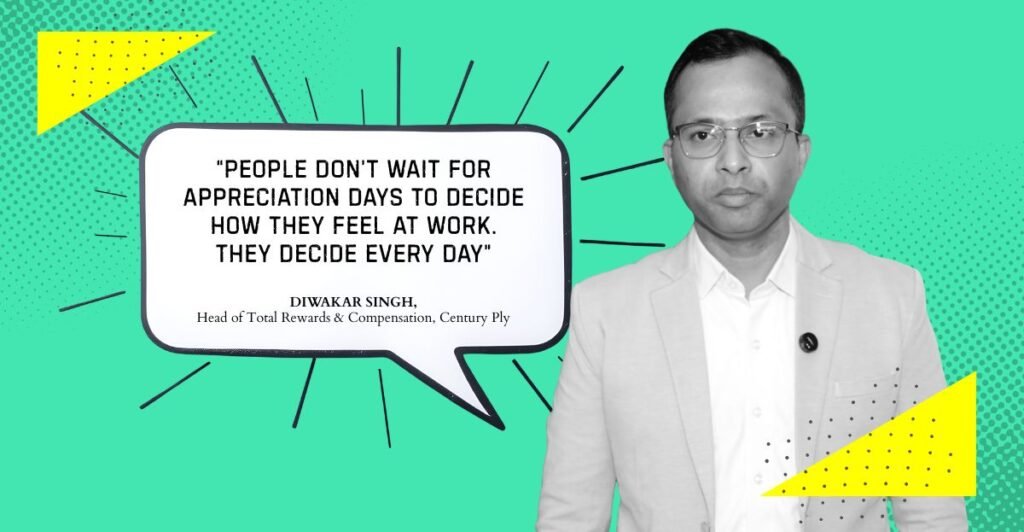
Employee Appreciation Day should go beyond celebrations and formal events. This leadership reflection explores why real-time appreciation, daily recognition, and timely feedback matter more than annual observances in building employee engagement and meaningful workplace culture.
Employee Appreciation Day: A Leadership Commitment, not a Calendar Event
Employee Appreciation Day is more than a calendar event. It is a leadership commitment to consistent recognition, meaningful relationships, and a culture of everyday gratitude that strengthens engagement, trust, and long-term performance.
Employee Appreciation Is Not a Day. It’s a System.
Employee appreciation should go beyond one-day celebrations. This article explores why building an employee appreciation system through clarity, recognition frameworks, and leadership behaviour creates stronger engagement, trust, and long-term retention within organizations.
Employee Appreciation Strategies That Actually Work (Backed by Psychology)

This blog explores employee appreciation strategies backed by psychology, showing how timely, personal, and meaningful recognition drives engagement, strengthens culture, and improves retention.
What Are Employee Resource Groups and Why They Matter Today

Employee Resource Groups have evolved into powerful drivers of culture, engagement, and inclusion. By giving employees a voice and leaders actionable insights, ERGs strengthen belonging, retention, and employer credibility in today’s modern workplaces.
Why Purpose-Driven Work Cultures Outperform Profit-Driven Ones

This article explores why purpose-driven work cultures consistently outperform profit-focused ones. It highlights how strong leadership, authentic values, and employee alignment create trust, innovation, and lasting success.
Building Psychological Safety in Hybrid Teams: Practical Steps for Leaders

This article explains why psychological safety is critical for success in hybrid teams and highlights the challenges leaders face in creating trust across remote and in-office employees. It outlines practical leadership actions—such as inclusive meetings, open communication, and data-driven listening-to build a culture where employees feel safe to speak up, innovate, and grow.
Why Companies Are Choosing Charity Events Over Traditional Office Parties

Holiday charity events are becoming a preferred alternative to traditional office parties. They offer meaningful team connection, align with modern workplace values, and create inclusive celebrations. Discover why more companies are choosing purpose-driven holiday experiences that strengthen culture and community.
Quiet Quitting to Loud Retention: The Workforce Evolution

Quiet quitting signals burnout and disengagement. The Workforce Evolution focuses on better data, stronger leadership, and purposeful culture to turn quiet quitting into loud retention.
Beyond Scores: Making Sense of Employee Engagement Data

Employee engagement scores alone don’t reveal the full story. True insight comes from segmenting data by teams, demographics, and lifecycle, and combining quantitative results with qualitative feedback. By linking engagement to outcomes like retention, productivity, and customer satisfaction, HR can turn survey data into a powerful business driver-not just a metric.
From Goals to Growth: How Smart Metrics Drive Employee Engagement

Discover how tracking smart employee engagement metrics-like eNPS, turnover, and productivity-can transform goals into measurable growth. Learn why data-driven engagement connects purpose to performance and drives business success through alignment, transparency, and continuous improvement.
Building Culture Through Connection: How Cisco Strengthens Team Belonging

Cisco is a global tech leader. It is also a consistently world-class employer. Their success is not just about technology. It’s built on a strong focus on culture and employee experience. An Amazing workplace, for Cisco, means a deep connection. It means a sense of belonging for everyone. This focus yields results. Cisco is consistently […]
The Art of Listening: Why Amazing Workplaces Ask Meaningful Questions

Amazing workplaces are built by design. They require a deep, intentional commitment to the people who power them. The foundation of this commitment is the ability to listen strategically. This is not passive behavior. It is an active, ongoing process driven by asking truly meaningful questions. This intentional inquiry is the key to organizational excellence. […]
The Link Between Employee Surveys and Employee Retention

In today’s competitive market, keeping skilled workers is a top priority for HR. Replacing an employee is expensive. Costs can range from tens of thousands of dollars to over 200% of an annual salary, depending on the role. Therefore, employee retention is more than just an HR metric. It is a critical business necessity. […]
The Role of Internal Communication in Shaping Culture

The culture of a workplace is not an accident. It is a living thing, nurtured daily by how people interact. Internal communication is the dynamic force that builds a strong, cohesive culture. It acts as the backbone, aligning every employee-from the frontline worker to the executive team-with the company’s true values and mission. Why […]
How to Turn Employee Feedback into Culture Gold

The best workplaces run on more than efficiency. They thrive on genuine connection. For world-class organizations, simply collecting employee feedback is not enough. The real challenge is in the action that follows. This process transforms raw sentiment from workplace surveys and daily conversations into meaningful, tangible improvements. When done right, it doesn’t just improve engagement. […]
How Great Leaders Build Trust in Remote Teams

The modern workplace has undergone a rapid, profound shift. As organizations embrace remote and hybrid models, the challenge of maintaining team cohesion and performance takes centre stage. The success of a remote team depends on mutual trust. It is the essential element that replaces proximity and allows distributed teams to function with speed, accountability, and […]
5 Ways to Showcase Your Culture on Social Media

In today’s competitive talent market, a company’s culture is a major factor for job seekers. It is no longer enough to offer competitive salaries; prospective employees deeply value the daily work environment and shared values. This focus on the employee experience elevates the role of social media. These platforms are powerful tools for employer branding, […]
Workplace Culture Audits: What, Why & How

Workplace culture is not a set of words on a wall poster. It is the real-world experience employees have every day. It’s the unwritten rules, the shared beliefs, and the behaviours that are actually rewarded. Given its profound impact on business results, understanding and intentionally shaping this culture is a top priority for effective Leadership […]
How Surveys Drive Transparent Communication in Organizations

Transparent communication is the cornerstone of a successful modern workplace. Surveys are a powerful, formal mechanism that HR and business leaders use to build and maintain this transparency. They create a structured, safe channel for genuine, two-way dialogue between an organization and its workforce. This process is not about simply gathering data; it is […]
Role of Leadership in Building an Amazing Workplace

A company’s success depends entirely on its workplace environment. The core of an amazing workplace is strong leadership. Leaders do more than manage projects. They shape the entire employee experience and the company culture. The link between leadership quality and organizational health is clear. According to Gallup, managers influence a dramatic 70% of the variance […]
The Hidden Link Between Employee Engagement and Customer Loyalty

Employee engagement and customer loyalty are deeply intertwined. When employees feel valued, empowered, and connected to purpose, they deliver exceptional service experiences that inspire trust, boost satisfaction, and keep customers coming back, fueling sustainable business growth and competitive advantage.
The Retention Mirage: Why Perks Don’t Keep Employees

Organizations keep chasing perks, stipends, and engagement gimmicks to stop turnover – but they’re treating the symptom, not the cause. True retention doesn’t come from freebies; it comes from building competent managers, creating clarity, and offering real career growth.
Workplace Culture vs. Employee Engagement: Key Differences

Workplace culture and employee engagement are two of the most discussed topics in Human Resources. They often get used interchangeably, but they represent distinct concepts. As a top HR researcher, you know the difference is crucial for effective strategy. Understanding this distinction is key to building an amazing workplace. In short: Culture is the ‘environment,’ […]
How to Celebrate Diwali at the Workplace in 2025

Discover creative and inclusive ways to celebrate Diwali at work in 2025. From décor and cultural activities to hybrid celebrations and employee rewards, this HR guide offers practical ideas to boost engagement and spread festive cheer across every workplace.
Celebrating Diwali in Indian Workplaces: A Contemporary HR Perspective
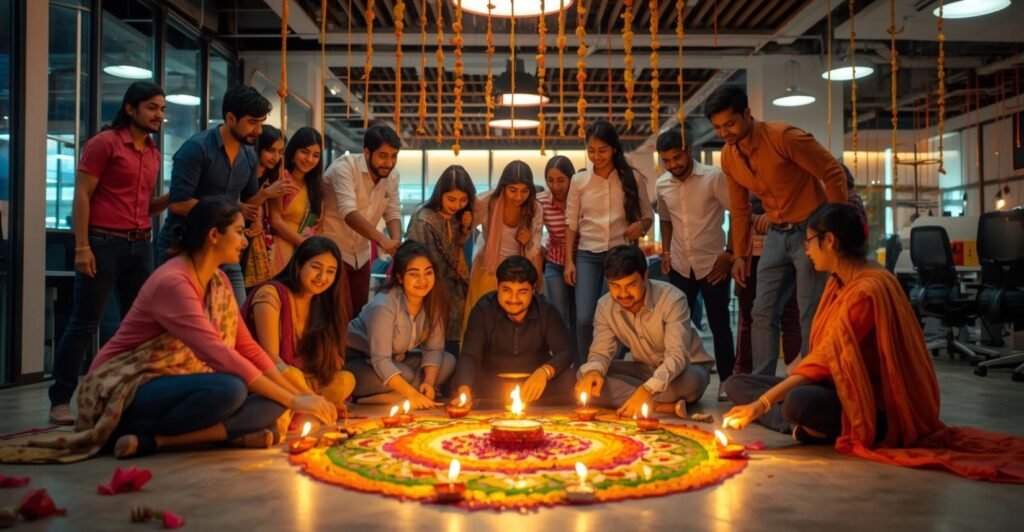
Discover how Indian organizations are reimagining Diwali celebrations at the workplace, from extended holidays and wellness gifts to virtual engagement and inclusive festivities. Learn why these modern HR practices enhance employee satisfaction, belonging, and cultural connection at work.
Why Simon Sinek’s “Start with Why” Still Shapes Leadership Today

Simon Sinek’s “Start with Why” remains an essential concept for modern leaders and HR professionals. This simple idea-to prioritize a deeper purpose-continues to drive success in workplaces worldwide. The core concept, the Golden Circle (Why, How, What), offers a practical framework for building trust and inspiring action. This principle is clear: people don’t just […]
“Quiet Hiring”: What It Means for Employees & Workplaces

The modern workplace is in constant motion. Organizations face simultaneous pressures: talent shortages, rapid skill evolution, and the need for cost efficiency. The strategy emerging as a critical solution is “Quiet Hiring.” This term is not a passing trend. It describes a calculated workforce practice. Organizations acquire necessary skills and capabilities without the traditional, lengthy, […]
Clear Lines, Confident Teams: An HR Playbook for Role Clarity

Role clarity in the workplace improves trust, engagement, and retention. Clear expectations reduce confusion, support hybrid work, and strengthen organizational change. Practical HR strategies like working agreements, decision logs, and onboarding maps help create predictable, safe, and high-performing teams.
Diversity vs Inclusion vs Equity: What’s the Real Difference?

Understanding the difference between diversity, equity, and inclusion (DEI) is key to building inclusive workplaces. This guide explores how diversity refers to representation, equity to fairness, and inclusion to belonging together forming a culture where all employees feel valued, engaged, and supported.
How Small Teams Can Start Building an Inclusive Workplace

Creating an inclusive workplace culture isn’t limited to large corporations. Small teams can lead with intention and implement smart, actionable diversity and inclusion strategies to foster equity, trust, and belonging—starting from day one. Discover how to build DEI into your team’s daily habits, hiring, and policies.
NVIDIA’s Employer Branding Strategy That Attracts Top Talent

NVIDIA’s employer branding strategy is a masterclass in aligning culture with innovation. From storytelling to leadership transparency, learn how NVIDIA attracts top talent, strengthens employee engagement, and sets new standards for HR branding that inspires and retains world-class talent.
How to create an Employee Value Proposition That Attracts Talent

Creating a powerful Employee Value Proposition (EVP) is key to attracting and retaining top talent. This guide explains how to craft a compelling EVP that reflects your workplace culture, values, and benefits—turning candidates into committed team members and boosting your employer brand in a competitive market.
Why Middle Managers Struggle and 5 Best Ways to Support Them

Middle Managers often juggle overwhelming responsibilities with little recognition. Learn why they struggle, how their roles are evolving, and five proven ways organizations can support and empower them to thrive. From leadership development to mental health support, this guide provides practical solutions for sustainable success.
What Is Workplace Belonging and How it Affects Retention?

Workplace belonging is more than a buzzword—it’s a vital factor in employee retention and engagement. Explore how companies can foster inclusive environments that boost loyalty, reduce turnover, and empower people to thrive. Learn how inclusive leadership and meaningful connection drive long-term success.
Best Listening Strategies for Employee Feedback

Modern listening strategies go beyond surveys—they build trust, engagement, and inclusivity. Learn how to implement employee feedback strategies that use technology, empower managers, and align with business goals. Start turning employee voice into a strategic advantage today.
5 Budget-Friendly Ways to Improve Employee Experience

Improving employee experience doesn’t require a big budget. This blog explores five low-cost strategies like better communication, small wins, flexibility, internal growth, and wellness habits that can build a thriving workplace culture and boost employee engagement without breaking the bank.
How Employee Experience Increases Retention and Growth

Improving employee experience is more than a trend- it’s a growth strategy. When employees feel valued, engaged, and supported, they stay longer and perform better. This blog explores how a thoughtful employee experience strategy boosts retention, satisfaction, and long-term business success.
Why Every Team Needs a Good Party: The ROI of Personal Events

Strong teams aren’t built on tasks alone – they thrive on trust, connection, and shared experiences. Whether your team works in-person, hybrid, or fully remote, intentional gatherings – be it offsites, virtual events, or team rituals – strengthen culture, boost engagement, and deliver measurable business impact.
Why Candidate Experience Is the New Cornerstone of Employer Branding

In today’s talent market, how you treat job applicants defines your employer brand. Explore why candidate experience is no longer optional—it’s essential for reputation and recruitment success.
How Financial Wellness Impacts Workplace Productivity

Financial wellness goes beyond paychecks – employees with healthy financial habits show greater focus, motivation, and engagement. Discover how supporting financial well-being can uplift productivity at work.
A Better Employee Feedback Strategy Starts with Action

Listening to employees is only step one. A truly effective employee feedback strategy turns insights into action, builds trust, and improves engagement. Learn how to create a feedback loop that works by collecting, analyzing, acting, and communicating results so that every employee voice leads to measurable impact.
How to Stop Quiet Quitting with Employee Engagement
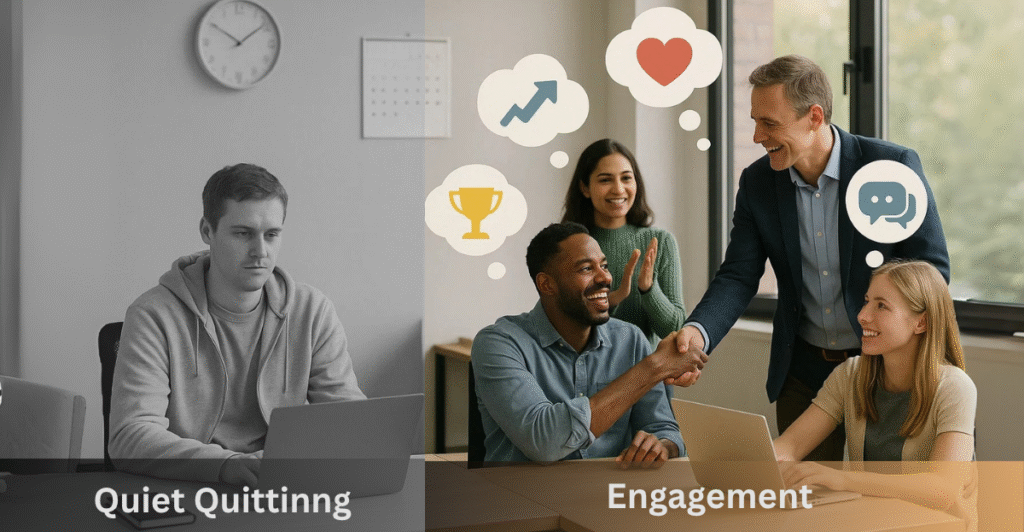
Quiet quitting happens when employees emotionally check out, doing only the bare minimum. This blog explains how early signs of disengagement can be reversed through strong employee engagement strategies focusing on recognition, purpose, flexibility, and career growth to build lasting motivation.
What Is Quiet Quitting and Why Top Talent Does It

Quiet quitting isn’t about leaving it’s about doing the bare minimum. When top performers disengage, it signals a deeper cultural issue. This blog explores signs of quiet quitting, why it happens, and how companies can re-engage their best talent before it’s too late.
10 HR Tips to Build a Psychologically Safe Workplace

Creating a psychologically safe workplace boosts engagement, collaboration, and retention. This blog shares 10 essential HR tips to help leaders build a culture of trust, openness, and emotional safety-where employees feel heard, valued, and free to express themselves without fear or judgment.
What Is an Employee Value Proposition (EVP) and Why It Works for Your Organization

A strong Employee Value Proposition (EVP) at workplace goes beyond pay and perks. It defines the values, culture, and experience your company offers, helping attract top talent, boost engagement, and improve retention. Discover how to build a compelling EVP that aligns with your mission and people.
How to Manage Generational Gap at Work

Managing a multigenerational workforce isn’t always easy, but it can be a powerful advantage. Learn how to manage generational gap at work by promoting communication, avoiding stereotypes, encouraging knowledge sharing, and customizing leadership styles to build a more inclusive and collaborative culture.
Why workplace culture of Sony Works So Well

The workplace culture of Sony is built on creativity, trust, and purpose. From flat hierarchies to employee wellbeing, Sony empowers its people through innovation, inclusion, and meaningful work. In this blog, we explore how Sony’s values shape a culture that attracts talent and drives long-term success—offering key takeaways for organizations worldwide.
How Visual Storytelling Improves Employee Engagement

Visual storytelling for employee engagement helps organizations communicate more effectively using videos, images, and infographics. This approach builds trust, humanizes leadership, and enhances onboarding, internal campaigns, and communication strategies.
How HR Can Plan Unique Work Parties That Employees Will Remember In Australia

Discover how to organise Unique Work Parties in Australia that employees will truly enjoy. From social gaming hubs to scenic vineyards, explore unforgettable venues and expert tips that help HR teams create meaningful, memorable experiences for their teams across Australia.
Can a Workplace Certification Improve Employee Retention and Engagement?

Workplace certification is more than a badge-it’s a powerful tool to boost employee engagement and retention. By recognizing culture, acting on feedback, and building trust, certified companies builds loyalty, reduce turnover, and empower teams to grow together. Discover how certification can reshape your workplace from within.
Turn Employee Feedback into Employer Branding Power

Employee feedback is a valuable resource that can shape and strengthen your employer branding. By listening to your people and acting on their insights, you build trust, attract top talent, and promote a transparent culture. Discover how to transform employee feedback into a compelling brand message that reflects your values and drives lasting success.
Benefits of Workplace Certification for Your Brand
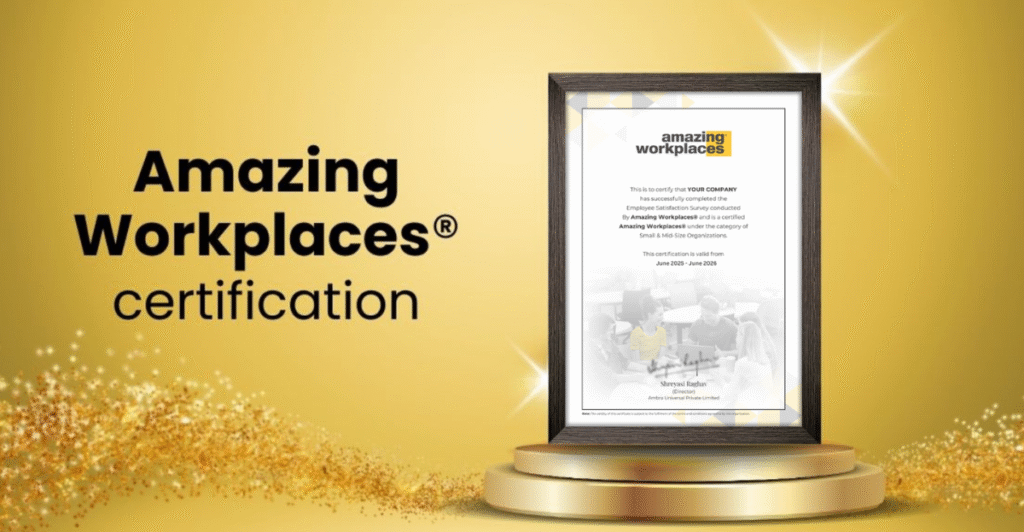
Workplace certification is more than a badge-it’s a powerful trust signal that boosts your employer brand, attracts top talent, and improves employee engagement. It demonstrates a verified commitment to workplace excellence, enhances reputation, reduces turnover, and drives long-term business success.
Is a Low Employee Survey Score a Red Flag?

A low employee survey score isn’t just a number-it’s a signal. It may point to deeper issues like disengagement, mistrust, or poor leadership. Learn what a low score really means, how to analyze the data, and how your response can turn feedback into meaningful workplace improvements.
How to Use Employee Survey Results Effectively

Learn how to use employee survey results effectively to boost engagement, build trust, and drive real change. This blog guides you through analyzing feedback, communicating transparently, prioritizing issues, and turning data into action that strengthens workplace culture.
What’s the Best Employee Survey Frequency?

Choosing the right employee survey frequency is key to gathering meaningful feedback without overwhelming your team. This blog explains how often to run surveys, signs you’re over- or under-surveying, and how to strike the right balance to boost engagement, trust, and workplace improvement.
What Is a Good Employee Survey Participation Rate?
Understanding the employee survey participation rate is key to collecting meaningful feedback and driving positive change. This blog explores what a good rate looks like, why it matters, what influences it, and how to improve it to create a more engaged, transparent, and high-performing workplace.
Benefits of Regular Employee Satisfaction Surveys
Regular employee satisfaction surveys empower organizations to detect issues early, strengthen trust, retain top talent, and guide HR strategies with real data. This article explores how consistent feedback leads to a more aligned, innovative, and engaged workforce—making it a vital practice for every forward-thinking company.
How to Engage Hybrid Employees Without Micromanaging

Hybrid work demands a new approach to engagement. Learn how to engage hybrid employees without micromanaging—by building trust, setting clear goals, recognizing contributions, and fostering autonomy. This guide offers practical strategies to boost productivity and morale in flexible work environments.
Stay Interview Questions That Reveal the Truth About Employee Engagement

Stay interview questions offer timely insights that help leaders improve employee engagement and reduce turnover. Unlike exit interviews, they address issues before it’s too late. This blog shares the best stay interview questions, tips, and practices to help you build trust and retain top talent.
Google Employee Recognition: How Innovation and Feedback Drive Motivation

Discover how Google employee recognition uses innovation, peer feedback, and data to build a motivated and high-performing culture. Learn how continuous appreciation, inclusive systems, and real-time feedback drive engagement, retention, and trust across the organization.
How to Implement Company Values That Truly Matter

Discover how to implement company values that truly matter in today’s workplace. This blog offers practical insights on aligning leadership, culture, hiring, and communication with core values. Learn how to build trust, enhance engagement, and create a meaningful, purpose-driven employee experience.
